Choosing the right lighting for landscapes is crucial. It can transform your outdoor space. "How to choose between warm white and cool white for landscapes?" is a common question for both homeowners and designers. Expert lighting designer Sarah Johnson emphasizes, "The right color temperature can dramatically affect the mood of your garden."
Warm white light creates a cozy atmosphere. It enhances earthy tones and highlights plants' natural beauty. On the other hand, cool white light offers a modern feel. It brightens spaces and emphasizes sharp architectural features. For places like patios, warm light may be more inviting. Meanwhile, pathways might benefit from the clarity of cool light.
However, the choice is not always straightforward. What appeals to one person may not suit another. Personal preferences, along with the landscape's characteristics, play key roles in decision-making. It’s essential to consider the surrounding elements. Reflecting on how different temperatures influence the environment can help clarify your choice.
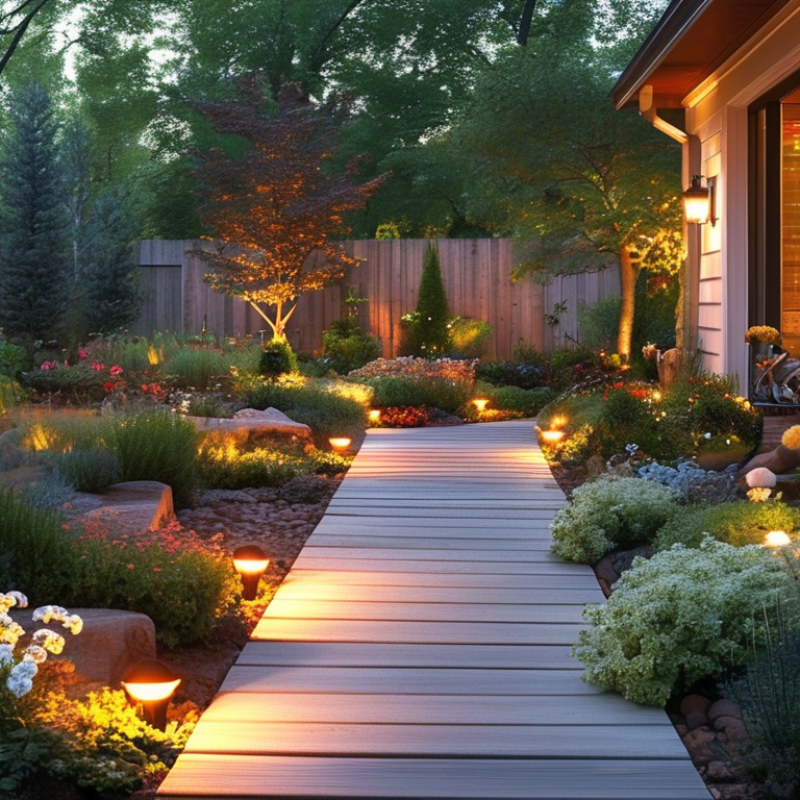
Understanding Warm White and Cool White Lighting
When considering landscape lighting, the choice between warm white and cool white is crucial. Warm white lighting, typically around 2700K, emits a soft, inviting glow. It enhances the beauty of gardens, creating a cozy atmosphere. This color temperature highlights warm tones and natural textures, making outdoor spaces feel more welcoming.
On the other hand, cool white lighting, usually around 5000K, offers a bright and crisp illumination. It brings out vibrant colors, making plants and features appear more vivid. This type of lighting can create a modern feel, ideal for sleek, contemporary landscapes. However, it can sometimes feel harsh or sterile, depending on its placement.
Choosing the right tone requires careful thought. Test different temperatures before making a final decision. Observe how your chosen lighting interacts with various elements. Each setting can react differently, leading to unexpected results. A balance between functionality and aesthetics is key. After all, your landscape should reflect your personal style.
The Impact of Color Temperature on Landscape Aesthetics
Color temperature plays a vital role in shaping the aesthetics of landscape lighting. Warm white light, typically around 2700K to 3000K, creates an inviting atmosphere. It mimics sunset hues, enhancing gardens, pathways, and outdoor seating areas. According to a recent study by the Lighting Research Center, warm white light can increase feelings of comfort by up to 30%, especially in residential settings.
On the other hand, cool white light, ranging from 4000K to 5000K, produces a bright, crisp effect. This type of lighting is ideal for highlighting architectural features and plants. However, it may make spaces feel sterile or unwelcoming if overused. Studies indicate that spaces lit with cool white tones can increase alertness but may reduce relaxation. Therefore, the choice between warm and cool white should align with the intended emotional response.
Despite the benefits of each color temperature, the decision can be challenging. Homeowners might experiment with various combinations of warm and cool lights. Striking a balance can avoid overly harsh environments. Many landscape designers recommend layering light types to create depth while ensuring the aesthetic remains harmonious. This approach allows spaces to be both functional and visually appealing, fostering an inviting outdoor experience.
Assessing the Mood and Ambiance for Your Outdoor Space
Choosing between warm white and cool white lighting for your landscape can significantly impact the ambiance of your outdoor space. Warm white lights, with their soft, yellowish hue, create a cozy and inviting atmosphere. This type of lighting is ideal for social gatherings. It embraces the natural surroundings, making one feel relaxed and at home. Cool white lights, on the other hand, have a bluish tint. They can enhance modern landscapes and provide a more vibrant energy. However, this might sometimes feel stark or clinical.
When assessing the mood you want, consider the purpose of your outdoor area. Think about how you want people to feel when they enter. For instance, if it's a place for relaxation, warm white would be preferable. If you’re illuminating a modern seating area, cool white might suit better.
Tips: Use a mix of both types. This can help balance the space and create focal points. Layering lights adds depth and interest. Experiment with different placements to find the most inviting setup. If you notice parts of your garden feel unwelcoming, rethink the light colors there. Adjustments can make all the difference in creating the right vibe.
Evaluating Practical Applications of Warm vs. Cool White Lights
Choosing between warm white and cool white lighting for your landscape requires careful thought. Warm white lights create a cozy atmosphere, perfect for highlighting gardens or intimate gathering spots. They cast a soft glow, enhancing the beauty of plants and architectural features. On pathways, warm lights invite guests, making spaces feel welcoming and comfortable. Cooler white lights, on the other hand, provide a modern, crisp look. They enhance visibility, ideal for security and functionality. In areas needing better illumination, cool white lights can improve safety.
Different scenarios call for different lighting needs. For instance, a flower bed might benefit from warm tones that accentuate the richness of blooms. Meanwhile, a driveway or entrance might require bright, cool lights for practicality. It is also essential to consider the overall ambiance you wish to create. A retreat-like garden may feel uninviting with harsh cool lighting.
Balancing aesthetics and functionality is challenging. It’s important to test both light types in your landscape. Place samples in various areas and observe the effects at night. The best choice may not always be immediately obvious. Reflections on personal preferences and landscape goals are vital. Sometimes, a mix of both warm and cool can achieve remarkable results. Trust your instincts during the selection process.
Warm White vs. Cool White Landscape Lighting
Choosing Between Warm and Cool White Based on Seasonal Changes
When planning your landscape lighting, it's vital to consider seasonal changes. Warm white light creates a cozy atmosphere, perfect for fall and winter. It enhances the warmth of autumn leaves and complements snowy evenings. This light often feels welcoming, reminiscent of a crackling fire. However, as the seasons transition to spring and summer, many people find cool white light more appealing. This type of lighting mimics daylight, which can invigorate outdoor spaces. It brightens blooming flowers and lush greenery, giving gardens a vibrant and lively feel.
The choice between warm and cool white lighting depends on your landscape's mood and function. Some homeowners enjoy mixing both. A warm white might outline a pathway, while cool white highlights specific plants. This blend can add depth and interest to your garden. However, balance can be tricky. Too much cool light can make a cozy area feel stark and uninviting. On the other hand, overly warm lighting may wash out your plants' colors during summer months. It’s crucial to experiment and observe how different lights affect your landscape throughout the seasons.
Critically assessing your choices can help create a harmonious outdoor experience. Observing how lighting looks at different times of day is also essential. Don't hesitate to make adjustments as seasons change. Observing your outdoor space through a year's cycle highlights the evolving nature of both plants and lighting. Consider keeping a journal of your observations to refine your future decisions.
FAQS
: Warm white lighting emits a soft, inviting glow, typically around 2700K. It creates a cozy atmosphere outdoors.
Cool white lighting provides bright, crisp illumination, usually around 5000K. It enhances modern landscapes and vibrant colors.
Warm white lighting fosters a relaxed and welcoming environment, perfect for social gatherings and outdoor relaxation.
Use cool white lighting for modern, sleek areas. It brings energy but can feel stark if not used thoughtfully.
Yes, mixing both types can create balance. Layering lights adds depth and helps highlight focal points in your landscape.
Place samples of warm and cool lights in different areas. Observe how they interact with plants and features at night.
If parts of your garden feel uninviting, reconsider the light colors used. Minor adjustments can significantly enhance the vibe.
Functionality plays a vital role in lighting selection. Bright lights improve safety but might detract from a relaxed atmosphere.
Consider your personal preferences and the overall goals for your landscape. The best choice often requires introspection.
Yes, cool white lighting can sometimes feel harsh or sterile. Placement is essential to avoid an unwelcoming ambiance.
Conclusion
When considering how to choose between warm white and cool white for landscapes, it’s essential to understand the fundamental differences between these color temperatures. Warm white lighting typically emits a softer, more inviting glow, enhancing the natural beauty of outdoor spaces by creating a cozy ambiance. In contrast, cool white lighting delivers a brighter and more vibrant effect, often making details stand out and providing a modern, crisp aesthetic.
The impact of color temperature on landscape aesthetics can significantly alter the mood and feel of your outdoor areas. Assessing the atmospheres you wish to evoke, along with practical applications for seasonal changes, is crucial in making this decision. For instance, warm white may be preferred in colder months for a more welcoming feel, while cool white can be ideal for summer nights when a livelier ambiance is desired. Ultimately, understanding these elements will guide you in selecting the right illumination for your landscape.
 Oregon Light
