Oregon Light Oregon Light

Why Does Condensation Occur Inside IP68 Waterproof Lights?

Time:2026-09-04 Author:Sienna
0%

Condensation is a common issue in many electrical devices, particularly in IP68 waterproof lights. But what causes condensation inside an "IP68" waterproof light? Understanding this phenomenon requires a look at the relationship between temperature, humidity, and pressure.

When these lights are exposed to varying temperatures, the air inside them can cool down rapidly. This cooling can cause moisture in the air to condense on internal surfaces. The seal might be rated for water resistance, yet it does not eliminate the potential for condensation. The environment plays a crucial role here. Humid conditions increase the likelihood of water vapor entering the light.

Combustion or heat from components can also lead to unexpected results. Sometimes, installation errors could disrupt the integrity of the seals. Users should regularly inspect their IP68 lights to ensure they remain properly sealed. Failing to do so may lead to unforeseen issues, such as reduced brightness or even failure of the light. Understanding these aspects is vital for maintaining optimal performance.
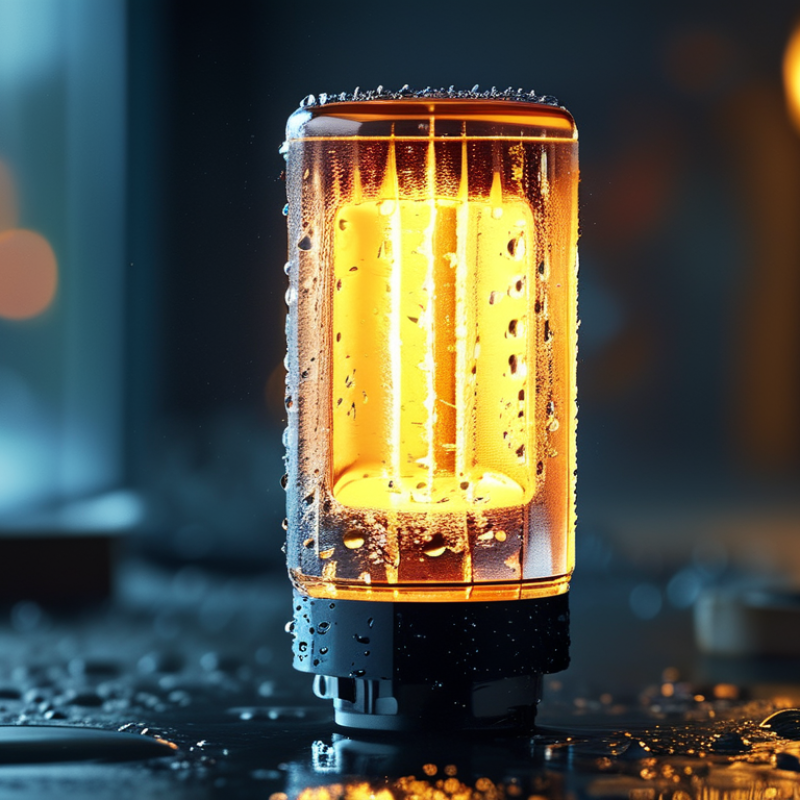
Why Does Condensation Occur Inside IP68 Waterproof Lights?

Causes of Condensation in IP68 Waterproof Lights

Condensation in IP68 waterproof lights can be perplexing. Even with high protection ratings, moisture can form inside these fixtures. This usually happens with temperature changes. When warm, humid air enters the light and meets cooler surfaces, water droplets form.

Insufficient sealing is a common cause. If the gaskets or seals are damaged, moisture can enter during operation or when lights are switched off. Additionally, the materials used can affect condensation. Non-breathable materials may trap moisture inside, leading to buildup.

To reduce condensation, ensure proper installation. Check all seals and gaskets regularly for wear. You can also consider using desiccants inside the light housing. This can absorb excess moisture and reduce fogging. Another approach is to let lights acclimate to temperature changes before use. Small adjustments can make a big difference in performance.

Understanding IP68 Waterproof Standards and Their Limitations

IP68 waterproof standards are designed to ensure that lights can withstand harsh environments. This rating indicates full protection against dust and immersion in water up to a certain depth. However, even with this level of protection, condensation can still occur inside these lights. It raises questions about the true effectiveness of the IP68 designation.

The primary reason for condensation is temperature fluctuations. When the temperature inside the lamp drops, moisture in the air can condense on cooler surfaces. Additionally, the materials used in manufacturing may not be perfectly sealed due to small imperfections. Even minute gaps can allow humidity to enter, creating a perfect environment for condensation.

Understanding these limitations is vital. While the IP68 rating signifies a high degree of protection, it is not infallible. Users should regularly inspect their lights for signs of moisture. Addressing minor issues early can prevent major failures in the long run. Fostering a deeper understanding of these factors can lead to better maintenance practices.

Effects of Temperature Changes on Waterproof Lights

Temperature changes significantly affect the performance of IP68 waterproof lights. These lights are designed to withstand extreme moisture, but they can still face challenges due to shifts in temperature. A study by the Lighting Research Center indicates that rapid temperature fluctuations can create condensation within the light fixture. As the internal temperature drops, moisture in the air can condense on cooler surfaces. This can lead to reduced visibility and even damage to the light components over time.

Humidity plays a crucial role in this process. When humidity levels rise, the likelihood of condensation increases. According to the American Society of Heating, Refrigerating and Air-Conditioning Engineers, relative humidity above 60% poses a significant risk for condensation. In environments with high humidity, even well-sealed lights can struggle, particularly if they are exposed to direct temperature changes from the surrounding environment.

While IP68 ratings imply complete protection against dust and water, they do not guarantee immunity to condensation issues. Manufacturers recommend regular maintenance checks to ensure that seals remain intact and drainage holes, if present, are unobstructed. This reflective approach helps in identifying potential problems before they escalate, allowing for proactive measures to be taken. Addressing these details early on can preserve the functionality and longevity of waterproof lighting systems.

Why Does Condensation Occur Inside IP68 Waterproof Lights? - Effects of Temperature Changes on Waterproof Lights

Temperature Change (°C) Humidity Level (%) Condensation Risk (Low/Medium/High) Light Material
-10 30 Low Aluminum
0 70 Medium Plastic
20 50 Low Glass
30 80 High Aluminum
40 90 High Plastic

Humidity and Moisture Impact on Lighting Fixtures

Condensation inside IP68 waterproof lights can be a perplexing issue. Many believe that these fixtures are entirely resistant to moisture. However, even the best designs can fall victim to humidity. When warm air meets cooler surfaces, water vapor condenses. This can happen quickly in environments with high humidity.

Lighting fixtures can be affected by moisture from various sources. For example, outdoor lights experience temperature changes that promote condensation. Indoor fixtures aren't immune either. Bathrooms and kitchens, where humidity levels fluctuate, pose similar challenges. It's crucial to understand these factors to achieve optimal performance.

One way to combat moisture is by ensuring proper ventilation around fixtures. This can help dissipate heat and reduce the likelihood of condensation. Another step is to regularly check for seals and gaskets that may wear over time. Even the best engineering can fail if the materials degrade.

Being proactive about maintenance is vital. Regular inspections can prevent more significant issues later. Addressing these concerns early will help prolong the life of your lighting fixtures. Understanding how humidity affects lighting can lead to better choices in design and installation.

Humidity Levels and Condensation Impact on IP68 Waterproof Lights

Preventive Measures to Minimize Condensation Issues

Condensation in IP68 waterproof lights can be a frustrating issue. It often occurs due to temperature fluctuations. Warm air inside the fixture cools down and releases moisture. This can lead to water droplets forming, impacting performance and aesthetics.

To minimize these condensation problems, consider improving ventilation. Small vents or drainage holes can encourage air circulation. This helps balance temperature and reduce moisture build-up. Another effective measure is choosing high-quality seals. They should be durable and resistant to environmental factors. Regular inspection of these seals is crucial for long-term reliability.

Environment plays a significant role as well. Humid areas or rapid temperature changes increase condensation risk. Awareness of the installation site can guide preventive action. Sometimes, simple adjustments can lead to significant improvements. Monitoring the lights regularly for signs of moisture can prevent bigger issues. Gradually adapting to these practices will lead to better performance and longevity of your lighting solutions.

FAQS

: What causes condensation in IP68 waterproof lights?

: Condensation occurs due to temperature changes, allowing warm air to meet cooler surfaces.

How do damaged seals contribute to condensation?

If gaskets or seals are worn, moisture can enter, leading to internal condensation.

Can materials affect condensation in lighting fixtures?

Yes, non-breathable materials can trap moisture, increasing condensation buildup inside the lights.

How can proper installation help reduce condensation?

Proper installation and regular checks on seals can help prevent moisture ingress and condensation.

What role does humidity play in lighting performance?

High humidity levels can result in condensation, affecting performance and longevity of the lights.

How important is regular maintenance for lighting fixtures?

Regular inspections can identify issues early, preventing significant failures and extending the life of the fixtures.

Should I use desiccants in lighting fixtures?

Using desiccants can help absorb excess moisture and reduce the likelihood of condensation forming.

Can indoor fixtures experience condensation as well?

Yes, indoor areas like kitchens and bathrooms can have fluctuating humidity, leading to condensation issues.

What should I do if I notice moisture in my lights?

Inspect seals and gaskets, and address any damage promptly to avoid further condensation problems.

Are IP68 standards infallible against condensation?

No, even with high ratings, small gaps may allow humidity inside, so users should remain vigilant.

Conclusion

Condensation inside "IP68" waterproof lights can be attributed to several factors, including temperature fluctuations and high humidity levels. Understanding the IP68 waterproof standards is crucial, as they define the light fixtures' ability to withstand water and dust ingress, but these standards have limitations. When the temperature changes rapidly, moisture in the air can condense within the fixture, leading to potential issues.

Additionally, high humidity and moisture can exacerbate the problem, as the presence of water vapor increases the likelihood of condensation forming. To minimize condensation issues in IP68 waterproof lights, it is essential to implement preventive measures such as ensuring proper ventilation, using desiccants, and maintaining suitable environmental conditions. Addressing these factors is key to ensuring the longevity and performance of waterproof lighting fixtures.

Sienna

Sienna

Sienna is a skilled marketing professional with a deep expertise in our company’s core products and services. With a passion for innovation and detail, she plays a pivotal role in crafting insightful blog posts that not only highlight the unique features of our offerings but also provide valuable......