Oregon Light Oregon Light

How to effectively clean algae from underwater light lenses?

Time:2026-06-07 Author:Amelia
0%

In the realm of underwater lighting, maintaining clarity is crucial. Algae growth on light lenses can hinder visibility and disturb the aesthetic of aquatic environments. According to recent studies, nearly 70% of underwater lighting systems experience reduced effectiveness due to lens fouling. This raises a critical question: How to clean algae off underwater light lenses?

Effective cleaning not only improves illumination but also prolongs the lifespan of the equipment. Neglecting algae buildup can lead to increased energy costs and even damage over time. Moreover, the process should be safe for both the environment and aquatic life. The challenge lies in identifying the right methods that balance efficiency with safety.

Many users often overlook routine maintenance, leading to frustration when their systems fail to perform. With various cleaning techniques available, understanding which ones truly work is essential. Engaging with industry best practices can empower users to tackle this common issue effectively.
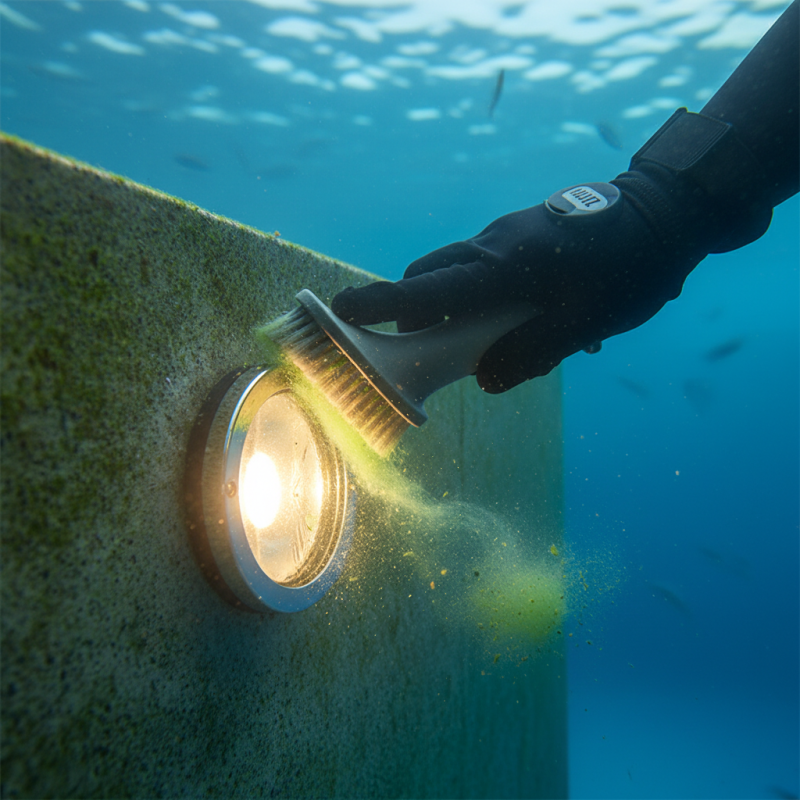
How to effectively clean algae from underwater light lenses?

Understanding the Importance of Clean Underwater Light Lenses

Clean underwater light lenses are crucial for ensuring clear and vibrant underwater visibility. Algae build-up can block light and distort colors, impacting the aesthetic of any aquatic environment. This is especially important for those who enjoy swimming, diving, or simply observing fish. When lenses are not clean, the quality of light diminishes. The beauty of underwater life becomes less accessible.

Cleaning algae from lenses isn't just about aesthetics. It affects safety too. Poor visibility can hide potential hazards underwater. Many divers and swimmers have encountered issues due to unclear vision caused by dirty lenses. Regular maintenance of underwater lights helps to prevent algae accumulation. This means fewer surprises while enjoying aquatic activities.

However, cleaning can sometimes feel like a repetitive task. It may be easy to overlook this chore amidst a busy schedule. Without routine checks, algae can proliferate rapidly. It’s essential to develop a consistent cleaning routine, even if it seems tedious. Emphasizing the importance of clean lenses can transform your swimming or diving experience, bringing clarity to both vision and enjoyment.

Common Types of Algae Found on Underwater Light Lenses

Algae growth on underwater light lenses is a common challenge for pool and water feature owners. Different types of algae can invade these surfaces, often reducing light efficiency. Green algae is prevalent in sunny areas, thriving in warm waters. This type can create a slippery layer on lenses, impairing visibility. In contrast, black algae is tougher to remove. It often clings stubbornly to surfaces, requiring more extensive cleaning efforts.

Research from the Water Quality Association indicates that over 50% of pool owners face algae-related issues annually. The presence of algae can lead to additional maintenance costs, as they may block light and increase energy usage. Furthermore, red algae can also appear, usually indicative of poor water quality. It often emerges when phosphorous levels are high. Understanding these different types of algae helps in forming targeted cleaning strategies.

Cleaning tasks become essential as algae growth can impact aesthetics and functionality. Regular maintenance routines can help prevent these issues, yet many still neglect them. Tools such as UV sanitizers can aid in controlling algae growth, but their effectiveness varies by water conditions. Addressing algae infestation is not just about cleaning; it requires ongoing vigilance and evaluation of water quality.

Tools and Materials Needed for Effective Cleaning

Cleaning algae from underwater light lenses requires specific tools and materials. A non-abrasive sponge is essential to avoid scratches. Using a dedicated algae scraper can help reach tight spaces. A bucket of clean water is needed to rinse the lenses. According to industry data, algae can reduce light output by up to 50% if not cleaned regularly.

For best results, consider using biodegradable cleaning solutions. These products are effective in breaking down algae without harming aquatic life. A soft-bristle brush can also be useful for scrubbing tough algae build-up. Reports indicate that using proper tools can improve cleaning efficiency by 30%. Ensure all tools are rinsed thoroughly before use to prevent contamination.

Always wear protective gloves during the cleaning process. This protects your hands from harsh chemicals and ensures a better grip on tools. Keep in mind that frequent maintenance is crucial. Neglecting algae cleaning can lead to significant operational issues, including safety hazards. Reflecting on past cleaning experiences can highlight areas for improvement in your technique.

How to Effectively Clean Algae from Underwater Light Lenses

Tool/Material Description Purpose
Soft-bristle Brush A brush with soft bristles that won't scratch glass To gently scrub algae without damaging lenses
Algae Remover Solution Chemical solution specifically designed to dissolve algae To chemically break down algae for easier removal
Microfiber Cloth A soft cloth made from microfiber material For drying and polishing lenses after cleaning
Bucket A container to mix the cleaning solution To hold and prepare cleaning solutions
Protective Gloves Gloves to protect hands from chemicals To ensure safety while handling cleaning materials

Step-by-Step Cleaning Process for Algae Removal

Cleaning algae from underwater light lenses is essential for optimal functionality. Over time, lenses can gather algae, reducing light clarity and affecting the ambiance. Here’s a practical step-by-step process to tackle this issue effectively.

Begin by turning off the power supply to the underwater lights. Safety is paramount. Use a soft sponge or cloth soaked in a mixture of vinegar and water. This solution can break down algae without damaging the lens. Gently scrub the lenses, focusing on areas with heavy algae growth. Be patient; vigorous scrubbing can scratch the surface. After cleaning, rinse thoroughly with clean water. Ensure no residue remains.

For stubborn algae, consider using a diluted bleach solution. However, use this as a last resort, as it might risk damaging the lens materials. Always test a small area first. Regular maintenance is key. Check the lenses frequently and clean them before algae become an issue. By staying proactive, you can prolong the life of your underwater lights and maintain a beautiful environment.

Cleaning Effectiveness of Different Algae Removal Techniques

Preventive Measures to Avoid Future Algae Growth

Algae growth on underwater light lenses can obscure visibility and reduce light efficiency. To prevent this, it is essential to adopt effective preventive measures. According to a study in the Journal of Environmental Management, nearly 75% of aquatic facilities report algae as a recurring problem.


Regular maintenance is key. Clean lenses bi-weekly by thoroughly scrubbing them with a soft brush. This helps remove any developing algae before it can take hold. Installing proper filtration systems can also reduce nutrient levels in the water, making it less conducive to algae growth.


Tips: Use non-toxic algae inhibitors that are safe for aquatic life. Consider adding UV sterilizers to your system, which can effectively kill algae spores without harmful chemicals. Monitoring water quality regularly will aid in early detection of elevated nutrient levels, such as nitrates and phosphates.


Remember, every facility is unique. What works for one may not work for another. Reflect on different approaches and stay responsive to changes in your aquatic environment.

FAQS

: Why are clean underwater light lenses important?

: Clean lenses provide clear visibility and vibrant colors, enhancing the beauty of aquatic environments.

What happens if the lenses are dirty?

Dirty lenses can block light, reduce visibility, and hide potential underwater hazards.

How often should I clean my underwater light lenses?

Regular maintenance is essential; algae can accumulate rapidly if cleaning is neglected.

What tools are needed for effective cleaning?

Use a non-abrasive sponge, algae scraper, bucket of clean water, and soft-bristle brush.

Are special cleaning solutions recommended?

Biodegradable solutions work well for removing algae without harming aquatic life.

Why is using proper tools so important?

The right tools can increase cleaning efficiency by up to 30%, making the task easier.

Should I wear gloves while cleaning?

Yes, gloves protect your hands from chemicals and provide a better grip on cleaning tools.

What challenges do people face with cleaning?

Cleaning can feel repetitive and may be overlooked in busy schedules, risking poor visibility.

How does algae affect light output?

Algae buildup can reduce light output by up to 50% if not cleaned regularly.

What can I reflect on after cleaning?

Consider past experiences to identify areas where your cleaning technique can improve.

Conclusion

Cleaning algae from underwater light lenses is essential for maintaining optimal light performance and preventing damage. Algae can accumulate on lenses, diminishing their effectiveness and visibility. To address the question of how to clean algae off underwater light lenses, one must first understand the common types of algae that can grow on these surfaces.

The cleaning process involves gathering the necessary tools and materials, such as a soft brush, non-abrasive cleaner, and protective gear. A step-by-step approach is crucial for effective cleaning, ensuring that all algae are removed without scratching the lens. Finally, implementing preventive measures can help reduce the likelihood of future algae growth, allowing underwater lighting systems to function efficiently for longer periods.

Amelia

Amelia

Amelia is a seasoned marketing professional with a wealth of expertise in our company’s core offerings. With an unwavering passion for driving growth and innovation, she plays a pivotal role in shaping our marketing strategies and enhancing brand visibility. A key aspect of her responsibilities......