Oregon Light Oregon Light

What Is the Ideal Inground Pool Light Depth in 2026?

Time:2026-11-25 Author:Madeline
0%

In 2026, the right depth for an inground pool light still depends on the fixture, pool design, and waterline. For many standard installations, the light’s center sits about 18 inches below the normal water level. That is a useful starting point, not a universal rule. Some fixtures and niches require different placement, so check the manufacturer’s installation instructions before settling on a measurement.

What is the ideal depth for mounting an inground pool light? In most cases, it is the depth specified for your particular light, with roughly 18 inches below the waterline serving as a common reference. Measure from the water surface, not the pool floor. A small measuring mistake can leave the beam poorly aimed or make routine access less convenient. Details matter.

This guide explains how to judge depth, account for steps and benches, and avoid relying on a rule of thumb alone. It also covers why light position affects visibility, glare, and the appearance of the pool at night. A bright fixture cannot fix a poorly chosen location. Honestly, depth is only part of the decision; beam direction and pool shape matter too. Before work begins, confirm the fixture requirements and ask a qualified pool professional to review the plan. Conditions vary, and guessing is not a great installation method.
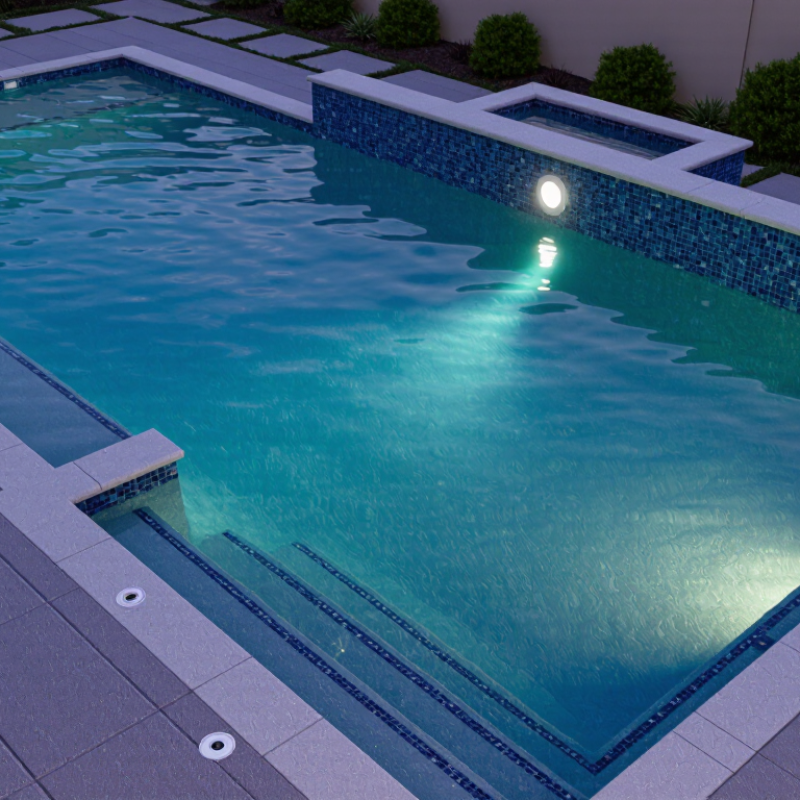
What Is the Ideal Inground Pool Light Depth in 2026?

How Inground Pool Light Depth Is Measured

To measure inground pool light depth, use the normal waterline as your reference—not the pool floor or the top edge of the coping. Measure straight down the wall to the center of the light lens. Keep the tape vertical; measuring along a sloped wall can give a misleading result. That distinction matters.

For a recessed fixture, identify the center of the visible lens, even if the housing sits farther back in a niche. Record the measurement in inches or centimeters, and note the water level at the time. Waterlines shift with evaporation, splashing, and refilling. Measure twice.

In practice, this measurement is not always as tidy as it sounds. A curved wall, uneven coping, or an unclear reference point can change the result. If the pool is empty, do not treat the floor as the waterline; use plans or installation records to establish the intended level. The measured depth helps compare a light’s position with installation instructions, but it does not determine a safe or ideal placement by itself. Check the fixture’s specifications and ask a qualified pool professional to verify the installation.

Factors That Determine the Ideal Light Depth

What Is the Ideal Inground Pool Light Depth in 2026?

The right depth depends on the pool’s shape, light type, and where swimmers usually look from. A common installation target is about 18 inches below the waterline, measured to the fixture center. Treat that as a starting point, not a rule. The ANSI/PHTA/ICC-5 residential inground-pool standard covers pool construction and safety, but does not set one universal light depth for every design.

A sloped floor can make a light look uneven from the patio. Steps, benches, and raised walls may also cast shadows or block the beam. Fixture instructions matter: niche-mounted and low-voltage nicheless lights can have different placement requirements. Waterline changes from evaporation or heavy use are worth considering, too. Small details matter. I would check the view at night before finalizing the position; a technically neat placement can still create glare.

Tips: Keep the light below the normal waterline and aim it away from the main seating area. Ask a qualified pool professional to confirm placement against the fixture instructions and local electrical requirements. If the pool has a sharp slope, sketch the beam path first. It may save a second installation visit.

Recommended Depths for Different Pool Lights

For a conventional wet-niche pool light, plan for the fixture center to sit about 18–24 inches below the normal waterline. The 2023 National Electrical Code, Article 680.23(A)(5), sets 18 inches as the baseline for underwater luminaires unless the fixture is listed for a shallower installation. That distinction matters: a recommendation is not a substitute for the light’s listing or installation instructions. Measure from the finished waterline, not the pool floor.

Nicheless lights are smaller and may be approved for shallower placement, often around 4–12 inches below the waterline. Use that range only when the specific fixture instructions allow it. For steps, benches, and tanning ledges, position lights to illuminate walking surfaces without shining directly into swimmers’ eyes; there is no single depth that suits every layout. Keep the beam in mind. A light placed too high can create glare, while a low fixture may leave steps dim.

These are planning ranges, not universal rules. Pool walls slope, water levels fluctuate, and a real installation may not match a neat drawing. Before cutting a niche or drilling a wall, confirm the listed depth and local electrical requirements with a qualified pool electrician.

How Pool Shape and Use Affect Light Placement

Pool shape should guide light placement more than a fixed depth rule. A common planning range is 18–24 inches below the waterline, but fixture instructions and a site-specific lighting plan matter more. In a long rectangular pool, lights along one long wall can wash the floor while reducing glare toward the house. For an L-shaped pool, treat each leg as its own zone. Steps, benches, and deep-end slopes can create dark patches.

Small details matter. A light aimed across a swim lane may bother lap swimmers, while a lounge area benefits from softer, indirect illumination. Keep fixtures out of direct sightlines from seating, and check the pool after dusk; water color, surface finish, and nearby landscaping change what you see. ENERGY STAR reports that LED bulbs use at least 75% less energy and last up to 25 times longer than incandescent bulbs. That can make longer evening use practical, but it does not determine the right number or position of pool fixtures. I would still recheck the layout in the water: drawings rarely reveal every shadow. For final placement, have a qualified pool professional assess fixture output, pool geometry, and installation requirements.

What Is the Ideal Inground Pool Light Depth in 2026? — How Pool Shape and Use Affect Light Placement

For many residential inground pools, a practical starting point is to place a wall light’s center about 18 inches (46 cm) below the normal waterline. The best position also depends on the pool’s shape, depth profile, viewing areas, and how the pool is used.

Pool Shape or Use Practical Light Depth Placement Guidance Why It Works
Rectangular pool with a fairly even depth About 18 inches (46 cm) below the normal waterline Position lights along a long wall and aim them away from the main seating area or house windows. A consistent height gives relatively even illumination and reduces direct glare for people looking toward the pool.
Pool with a shallow-to-deep slope Generally 18–24 inches (46–61 cm) below the waterline Keep fixtures at a consistent distance below the waterline when the wall allows; assess the deep end separately if its wall geometry differs. Consistent placement helps maintain a balanced appearance as the floor drops away. The pool’s depth alone does not determine fixture height.
L-shaped or irregular pool About 18 inches (46 cm) below the waterline at each fixture Place lights to cover each leg or major viewing zone. Avoid relying on a single fixture around a corner where the wall blocks its beam. Walls and corners interrupt light, so coverage depends more on line of sight and fixture spacing than on shape alone.
Freeform or curved pool About 18 inches (46 cm) below the waterline, adjusted to the wall and fixture design Locate fixtures on sections with a clear path across the water; check for shadows from curves, steps, landscaping, and raised features. Curved walls can change the direction and spread of light, making a placement check from the deck especially useful.
Pool used mainly for lap swimming About 18 inches (46 cm) below the waterline Favor even coverage along the swimming length, with beams directed away from swimmers’ usual approach and turning points. Well-distributed light helps swimmers see the pool clearly without placing a bright beam directly in their line of sight.
Pool used mainly for relaxing or entertaining About 18 inches (46 cm) below the waterline Prioritize visibility near entry points and gathering areas; aim lights away from patios, loungers, and neighboring windows where practical. Comfortable, low-glare lighting supports visibility while making the pool less distracting from nearby seating.
Pool with built-in steps, benches, or a tanning ledge Keep wall lights near the usual 18-inch (46 cm) position; assess shallow features separately Do not assume one wall light will adequately illuminate every step or shelf. Consider how the feature’s shape creates shadows. Shallow features can be obscured by walls or changes in depth, so their visibility should be checked from the deck and in the water.

Measurement and safety note: Measure depth from the normal waterline to the center of the fixture, unless the fixture instructions specify another reference point. These are planning guidelines, not a substitute for the light manufacturer’s installation instructions or applicable electrical and pool codes. Have pool-light wiring, bonding, and installation handled by a qualified professional.

Safety, Installation, and Local Code Requirements

What Is the Ideal Inground Pool Light Depth in 2026?
Safety, Installation, and Local Code Requirements

There is no universal ideal depth. For many wet-niche lights, NEC Article 680 places the top of the lens at least 18 inches below normal water level, unless the fixture is listed for a shallower installation. Local rules may differ because jurisdictions adopt different code editions. Confirm the fixture’s listing, installation instructions, and approved plans with a qualified electrician and local inspector. A perfect number on paper can still be wrong for a particular pool shell.

Depth is not universal. CPSC’s 2023 pool and spa submersion report estimated about 6,300 emergency-department-treated, nonfatal drowning injuries annually among children under 15. Lighting does not prevent drowning, but correct placement can help reduce dark patches on steps and walls. Proper bonding, grounding, and protection against electrical faults matter just as much as depth. Visibility matters.

Tips: Before filling the pool, check the light’s specified waterline, secure the conduit, and have electrical connections inspected. Keep the lens fully submerged when required by its listing. Don’t guess from another pool’s layout.

FAQS

Where should I measure an inground pool light’s depth?

Start at the normal waterline and measure straight down to the center of the visible lens. Measure twice.

Should I measure from the pool floor or coping?

No. Neither is the reference point. Use the normal waterline, not the floor or coping edge.

How deep is a pool light commonly placed?

About 18 inches below the waterline is a common starting point. Some layouts use 18–24 inches, but fixture instructions matter more.

Does every pool have one ideal light depth?

No. Pool shape, light type, and viewing areas affect placement. A single measurement cannot settle every design.

How can pool shape affect light placement?

Slopes, steps, and benches can create shadows or block the beam. An L-shaped pool may need separate lighting zones.

What should I consider if the pool is empty?

Don’t use the floor as a substitute waterline. Check plans or installation records for the intended water level.

How can I reduce glare from pool lights?

Keep fixtures out of direct sightlines from seating and aim light away from the main viewing area. Check the pool after dusk.

Is measuring depth enough to confirm proper installation?

No. Compare the measurement with fixture instructions, then ask a qualified pool professional to review placement. I’d still check for shadows in the water.

Conclusion

Choosing the right depth for an inground pool light depends on how depth is measured, the light’s design, pool layout, and intended use. What is the ideal depth for mounting an inground pool light? There is no single measurement that suits every pool. A suitable position should provide even illumination while keeping the fixture accessible for maintenance and appropriate for the pool’s structure. Shallow areas, deep ends, steps, and curved walls may each call for different placement to reduce dark spots and glare.

Before installation, consider the pool’s shape and how swimmers use each area, then follow the light manufacturer’s installation instructions and applicable local safety and building requirements. Electrical components must be correctly rated for pool use and installed with suitable protection by a qualified professional. Careful planning helps create clear, comfortable lighting without compromising safety or making future servicing unnecessarily difficult.

Madeline

Madeline

Madeline is a dedicated marketing professional with a wealth of expertise in our company's core offerings. With a keen understanding of the industry, she brings a unique perspective to her role, consistently delivering high-quality content that highlights the superior aspects of our products. As......