As the popularity of LED pool lights continues to grow, many are asking, "Are LED pool lights safer than traditional halogen bulbs?" Industry reports highlight a critical shift toward LED technology. The U.S. Department of Energy notes LEDs use 75% less energy than incandescent bulbs. In pools, this means lower heat generation, reducing the risk of burns or fire hazards.
Moreover, recent safety studies underscore the importance of electrical integrity in pool lighting. LED lights, typically rated for underwater use, provide enhanced safety against shock risks. A report by the National Electric Code emphasizes the need for proper installation to avoid electrical failures, which can lead to injury or property damage.
Despite these advantages, caution is warranted. Some LED lights may not meet safety standards or are poorly manufactured. Consumers must research brands and certifications. In assessing whether LED pool lights are indeed safer, it's essential to weigh performance and reliability alongside energy efficiency. The journey toward safer swimming environments continues to evolve.
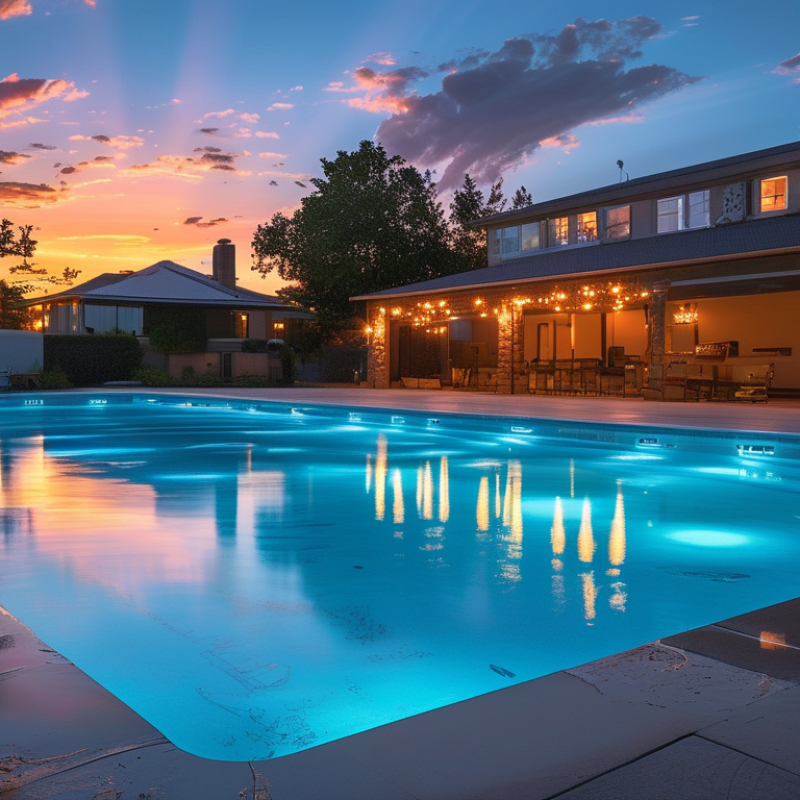
Comparison of LED and Halogen Pool Lights: Safety Features
When considering pool lighting options, safety is paramount.
LED pool lights and halogen bulbs both offer distinct advantages. Halogen lights can produce intense heat, raising fire risks.
In contrast, LED lights remain cool, drastically reducing the chances of burns. Their efficiency also means less energy wasted as heat, making them a safer choice overall.
LED lights have built-in safety features, such as shatter-resistant casings. This is crucial for outdoor use, where debris can damage the fixtures.
Moreover, LED technology typically includes waterproof designs, protecting against electrical hazards. Regular maintenance of both types of lights is necessary to avoid issues.
Check for corrosion or wear on halogen bulbs, and ensure LED connections stay dry.
Tips: Always disconnect power before servicing lights. Regularly inspect your pool area for any obstructions that may pose risks.
Consider positioning lights at a safe distance from the water's edge to minimize accidents.
Taking these precautions can enhance the safety of your swimming environment while you enjoy your pool.
Energy Efficiency: LED vs. Halogen Pool Lighting Explained
When comparing LED and halogen pool lights, energy efficiency stands out. LED lights consume far less energy than halogen bulbs. They can save up to 80% on electricity costs. This difference is crucial for pool owners who want to keep operational costs low. LEDs emit less heat, which means they waste less energy. Halogen bulbs, on the other hand, produce significant heat, often leading to increased energy bills.
Moreover, longevity matters in this discussion. LED lights often last 25,000 hours or more, while halogen bulbs typically last around 2,000 hours. This lifespan difference affects maintenance frequency and replacement costs. Pool owners may initially invest more in LEDs, but the long-term savings and reduced hassle are noteworthy. However, some may find LEDs less bright in certain colors. This could lead to a less vibrant pool ambiance.
Safety is another aspect worth examining. LEDs are generally regarded as safer. They operate at lower temperatures, reducing the risk of burns or heat-related hazards. Halogen bulbs can become extremely hot during operation. This creates potential dangers, especially in environments with water. While both options have their merits, the clear edge goes to LED lighting for energy efficiency and safety considerations. However, not all communities or setups may fully embrace this switch yet.
Are LED Pool Lights Safer Than Halogen Bulbs in 2026?
| Feature |
LED Pool Lights |
Halogen Pool Lights |
| Energy Efficiency |
Up to 80% less energy |
Standard efficiency |
| Lifespan |
25,000-50,000 hours |
2,000-5,000 hours |
| Heat Emission |
Low heat emission |
High heat emission |
| Safety Features |
Less risk of burns |
Higher risk of burns |
| Color Options |
RGB and various colors |
Limited to warm white |
| Cost of Operation |
Lower over time |
Higher over time |
Heat Emission and Its Effects on Pool Safety
In 2026, the debate between LED pool lights and traditional halogen bulbs continues, particularly regarding heat emission.
LED lights generate significantly less heat compared to halogen bulbs. This difference can have a profound impact on pool safety.
High temperatures from halogen lights can pose risks, especially near pool edges or submerged areas.
Halogen bulbs heat quickly and can lead to burns or accidents. In contrast, LED lights remain cool to the touch, minimizing these dangers. Families with young children or pets can benefit greatly from this feature.
Besides safety, the reduced heat output of LEDs can also help maintain water temperature. This can lead to longer swimming seasons without excessive energy use.
However, are all LEDs equally safe? It’s crucial to choose quality LED products that meet safety standards. Some cheaper options might not have adequate safety measures. Potential malfunction could lead to overheating.
Researching reliable sources for installations and safety certifications is essential. By understanding the different heating aspects of pool lighting, pool owners can make informed decisions that prioritize safety and enjoyment.
Durability and Lifespan: LED vs. Halogen Bulbs
LED pool lights have become a popular choice for many pool owners. They offer impressive durability compared to traditional halogen bulbs. When we look at their lifespan, LEDs can last up to 25,000 hours. In contrast, halogen bulbs typically last only about 2,000 hours. This significant difference means fewer replacements and reduced maintenance costs over time.
Moreover, LED lights are more resistant to shock and vibration. This resilience is crucial in outdoor environments like pools. Halogen bulbs, however, can be more susceptible to breaking. They also run hotter, which can increase the risk of accidents or burns. In a year with fluctuating weather conditions, these aspects become vital for safety.
Despite these advantages, it’s important to note that not all LED fixtures perform equally. Some may lose brightness over time. Users should carefully consider factors such as the quality of materials and installation. Conducting thorough research can help prevent potential disappointments. Ultimately, for pool lighting, the longevity and durability of LEDs make them a strong contender in the ongoing debate.
Regulatory Standards for Pool Lighting Safety in 2026
In 2026, regulatory standards for pool lighting safety are becoming more stringent. These changes aim to enhance safety and efficiency. LED pool lights are often seen as a safer choice compared to halogen bulbs. They generate less heat and have a longer lifespan, reducing the risk of burns or electrical hazards.
Experts emphasize the importance of following local regulations when choosing pool lights. Ensure that the lights you select are compliant with safety standards. This prevents potential accidents and maintains the pool environment's safety.
Tips for safer pool lighting include regularly checking light fixtures for damage. Ensure wiring is secure and free from water exposure. Consider installing timers for automated control of lighting, adding a layer of security. By being proactive, you can create a safer swimming experience in your pool.
Are LED Pool Lights Safer Than Halogen Bulbs in 2026?
This chart compares the safety ratings of LED pool lights and halogen bulbs based on regulatory standards in 2026. The data reflects the results of safety assessments, highlighting the advantages of LED technology.
Conclusion
The article titled "Are LED Pool Lights Safer Than Halogen Bulbs in 2026?" explores the safety features of LED and traditional halogen pool lights. It begins with a comparison of their inherent safety aspects, highlighting that LED lights generally present lower risks of overheating and electrical hazards compared to halogen bulbs. The discussion extends to energy efficiency, where LED lights outshine halogen counterparts by consuming less energy and reducing overall operating costs.
Additionally, the article addresses heat emission and its effects on pool safety, noting that LED lights emit significantly less heat, minimizing the risk of burns or accidents. It also covers the durability and lifespan of both types of lights, showcasing LED options as more resilient and long-lasting. The final section reviews the regulatory standards for pool lighting safety expected in 2026, offering insights into how these regulations favor the adoption of LED technology. Ultimately, the article poses a critical question: Are LED pool lights safer than traditional halogen bulbs?
 Oregon Light
