When planning lighting for your backyard pool, a crucial question arises: How many lumens do I need for a standard backyard pool? The brightness of your pool lights impacts both safety and aesthetics. Correct illumination can enhance the beauty of your pool, while insufficient lighting may create hazards.
Many pool owners overlook the importance of lumens. They might assume brighter is better. However, this is not always the case. The ideal lumens depend on several factors, including pool size, depth, and surrounding landscaping. A well-lit area increases visibility and invites enjoyment. Conversely, too much brightness can cause discomfort.
To make an informed decision, consider the purpose of your lighting. Are you looking to create a relaxing ambiance or ensure safety during night swims? Understanding how many lumens you need will guide your choices. It’s about finding the right balance. Each pool is unique, so personal experimentation may also be necessary to achieve the desired effect.
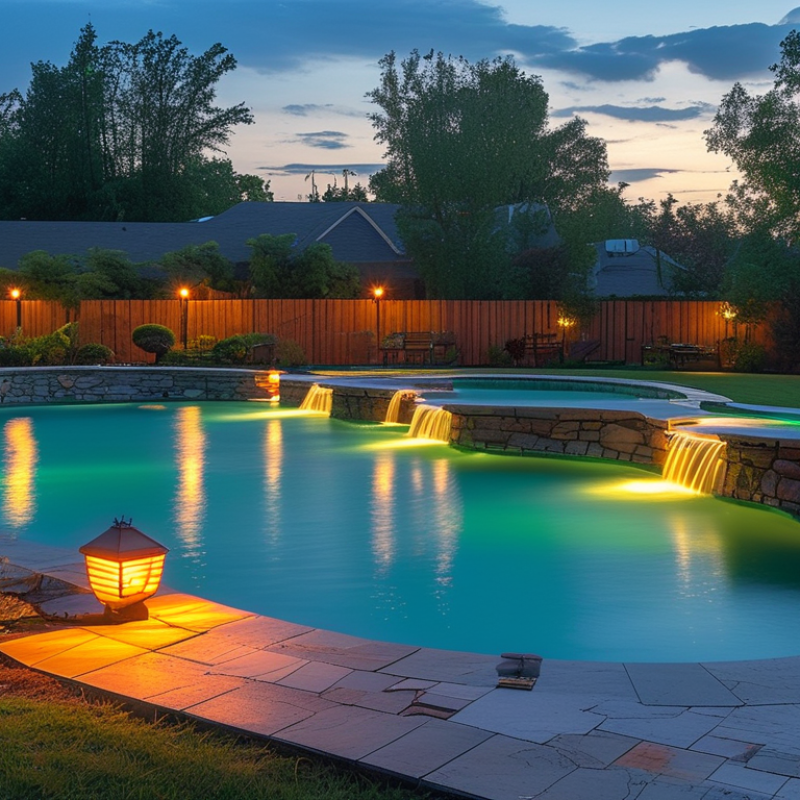
Understanding Lumens: The Basics of Light Measurement
When planning the lighting for your backyard pool, understanding lumens is crucial. Lumens measure the total amount of visible light emitted by a source. This measurement helps you determine how bright your pool lights should be. Generally, brighter lights are better for areas with more activity. You want to feel safe and create an inviting atmosphere.
For most backyard pools, aim for 200 to 400 lumens per fixture. Think about the pool size and how much light you desire. If your backyard has trees or structures, consider their shadows. Shadows can make spaces feel darker than they are. Sometimes, a higher lumen count can help illuminate these darker areas.
However, there’s a balance to strike. Too many lumens can create a harsh or unwelcoming environment. A soft glow often feels more relaxing. Experimenting with different brightness levels can yield the best results. Trust your instincts; lighting should complement your outdoor space. Perfect lighting might take a few tries and adjustments to achieve.
Factors Affecting Lumens Requirement for Pool Lighting
When considering how many lumens you need for your backyard pool lights, several factors come into play. The most significant among them are the size of the pool, the depth of the water, and the desired ambiance. According to the American Lighting Association, a standard recommendation is between 700 to 1,200 lumens per light fixture. These numbers can vary significantly based on specific needs.
The depth is a critical factor. Deeper pools often require more lumens to ensure visibility. For instance, a pool with a depth of 8 feet might need at least 1,000 lumens to illuminate effectively. The area surrounding the pool also matters. Bright, reflective surfaces can enhance light output, while darker areas may require additional lights.
Moreover, the type of pool activity influences lumens requirements. If you plan to host evening gatherings, brighter lights enhance safety and ambiance. However, for a calming evening swim, softer lighting at around 300 to 500 lumens might be sufficient. Ultimately, understanding these variables will help you create the perfect backyard oasis. Each pool is unique; therefore, fine-tuning your choice of lumens can greatly impact your overall experience.
Recommended Lumens Ranges for Different Pool Activities
When planning your backyard pool lighting, understanding lumens is crucial. For general ambiance, a range of 50 to 100 lumens per square foot is ideal. This creates a warm, inviting space for family gatherings. If you want to enhance safety, aim for higher lumens—around 100 to 200 lumens. This brighter lighting helps prevent accidents and makes the area more visible at night.
Different activities call for different lighting. For swimming, a brighter light (100-300 lumens) ensures visibility underwater, which is essential for both safety and enjoyment. For evening poolside lounging, lower levels (50-100 lumens) provide a relaxed atmosphere without being overly harsh. Adding lights around pathways and seating areas can enhance the overall experience.
Tips: Consider using dimmable lights for flexibility. Brightness can be adjusted based on the occasion. Also, think about energy efficiency. LED lights provide ample lumens while consuming less energy. Experimenting with different placements can also yield surprising results. Lighting positions can dramatically change the mood and functionality of your outdoor space.
Comparing Different Types of Pool Lights and Their Lumen Output
When choosing lights for your backyard pool, lumen output is a key consideration. Different types of pool lights provide varying levels of brightness. For example, incandescent lights generally produce 300-500 lumens per fixture. These lights offer a warm glow but are not the most energy-efficient option.
LED pool lights shine brightly, often exceeding 1,000 lumens. They illuminate the water effectively, creating a vibrant atmosphere for evening gatherings. However, they can be more expensive initially. Solar-powered lights are an eco-friendly alternative, providing about 100-800 lumens depending on the model. While they’re easy to install, their brightness can fluctuate based on sunlight exposure.
It’s crucial to assess your needs. How much light do you really want? If you plan evening parties, you'll need brighter options. If it’s just for ambience, softer lights may suffice. Consider the surrounding landscape too. Too much brightness can disturb neighbors. Finding a balance is essential for a harmonious outdoor space.
How Many Lumens Do You Need for Your Backyard Pool Lights?
| Type of Pool Light |
Typical Lumen Output |
Recommended Lumen Range for Pools |
| Incandescent |
300-1200 lumens |
1000-2000 lumens |
| LED |
200-600 lumens |
600-1200 lumens |
| Halogen |
500-1000 lumens |
800-1600 lumens |
| Fiber Optic |
50-300 lumens |
100-400 lumens |
| Solar |
100-200 lumens |
200-400 lumens |
Safety Considerations in Backyard Pool Lighting Choices
When choosing lighting for your backyard pool, safety should be a top priority. Bright lights can prevent accidents, especially during evening swims. Aim for adequate illumination around the pool area. Consider the distance from the pool edge. Lights should be placed to minimize shadowy corners. This creates a safer environment for both children and adults.
The type of lighting matters, too. LED lights are efficient and can provide the brightness required. Think about color temperature; warmer tones can feel inviting but may provide less visibility. Make sure fixtures are waterproof and rated for outdoor use. This ensures safety in various weather conditions.
It’s also important to consider the layout around your pool. Trees and landscaping can obscure lighting. Regularly assess positions and angles. Reflect on how changes in the surroundings might affect light levels. Remember, over-illumination can also create glare, which might hinder visibility. Finding the right balance takes thought and flexibility.
How Many Lumens Do You Need for Your Backyard Pool Lights?
This chart displays the recommended lumens for different types of outdoor pool lighting, illustrating how brightness needs vary depending on the location and purposes.
FAQS
: For general ambiance, aim for 50 to 100 lumens per square foot.
For safety, target 100 to 200 lumens. This prevents accidents at night.
A bright light of 100 to 300 lumens ensures excellent visibility underwater.
Yes, dimmable lights provide flexibility to adjust brightness for different occasions.
LED lights are energy-efficient, offering high lumens while using less energy.
Lighting positions greatly change the mood and functionality of your space.
Yes, solar lights are eco-friendly but their brightness can vary with sunlight.
Yes, too much brightness might disturb neighbors. Balance is key for harmony.
Lower levels of 50 to 100 lumens create a relaxed atmosphere for lounging.
Think about activities planned, desired brightness, and surrounding landscape influences.
Conclusion
When considering proper lighting for your backyard pool, one of the most important questions to ask is, "How many lumens do I need for a standard backyard pool?" Understanding lumens, which measure the brightness of light, is essential in determining the right lighting for various activities around the pool. Factors such as the size of the pool, the surrounding landscape, and specific uses (like swimming or hosting) all influence the lumens required.
For general pool use, a range of 200 to 800 lumens per fixture is often recommended, depending on the desired ambiance and level of activity. Additionally, it's important to compare different types of pool lights, as their lumen output varies significantly. Safety considerations should never be overlooked, ensuring lights are strategically positioned to minimize hazards while enhancing visibility. Ultimately, finding the right lumens will create a safe and enjoyable environment for midnight swims and evening gatherings.
 Oregon Light
