Oregon Light
Choosing the right lighting for landscapes can transform outdoor spaces. A common dilemma arises: how to choose between warm white and cool white for landscapes? Warm white creates a cozy, inviting atmosphere. It enhances natural elements and makes spaces feel intimate. This is ideal for gardens or patios where relaxation is key.
On the other hand, cool white provides a more modern and crisp look. It highlights architectural features and adds a fresh feel to outdoor areas. This choice is great for contemporary designs or when showcasing vibrant plants. Both options have their merits, but personal preference plays a significant role.
Consider the atmosphere you want to create. Reflect on the colors of your plants and landscape features. Experimentation may lead to unexpected results. Lighting can dramatically alter perceptions. Ultimately, the best choice may not be obvious at first glance.
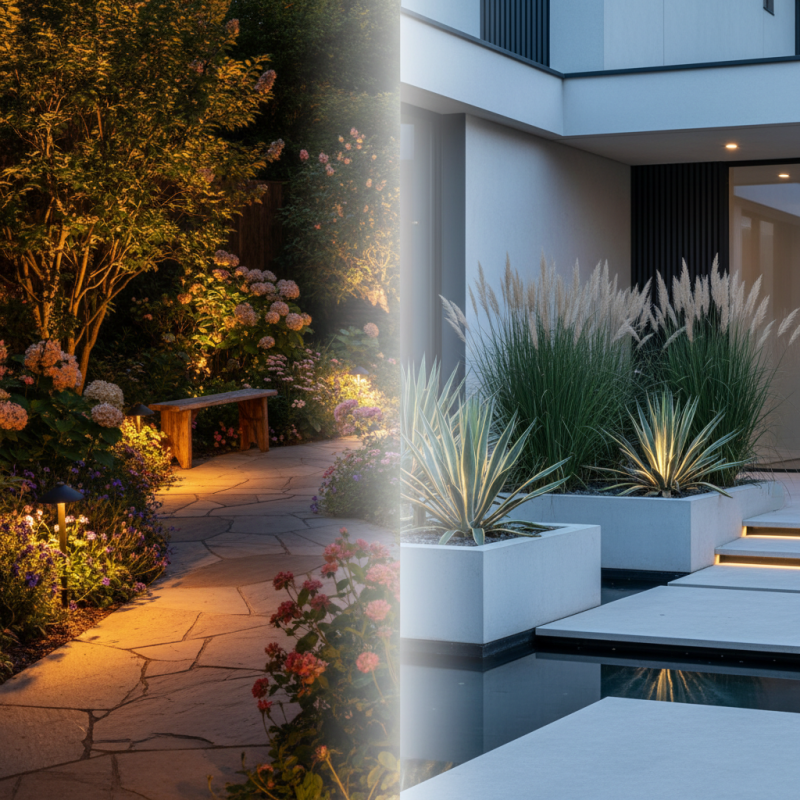
Color temperature plays a significant role in landscape lighting. It is measured in Kelvin (K). Generally, warm white lights range from 2700K to 3000K. These lights emit a cozy, inviting glow, making spaces feel more intimate. On the other hand, cool white lights typically fall between 4000K and 5000K. They provide a bright, crisp illumination that enhances visibility.
The right choice depends on the space's purpose. Warm white is ideal for relaxing garden areas. It creates a serene atmosphere for unwinding at night. Meanwhile, cool white is better suited for functional spaces like driveways and pathways. A report by the Lighting Research Center noted that warm white lighting can enhance comfort and safety in residential areas.
It's essential to think critically about your lighting choices. Not everyone likes the same color temperature. Some might find warm white too dim, while others feel cool white is too harsh. Also, overusing one type can lead to an unbalanced look in your landscape. The wrong temperature can ruin the desired mood. Take time to evaluate your preferences and the specific character of your garden.
Color temperature significantly influences landscape aesthetics and mood.
Warmer white light, around 2700K to 3000K, creates an inviting atmosphere.
It enhances features in gardens and patios, giving a cozy feel. A study by the Lighting Research Center shows that
warmer lights promote relaxation and comfort.
Cool white lights, typically 4000K to 5000K, can evoke energy and alertness.
They are ideal for highlighting modern architecture and pathways. However, overuse can lead to a harsh environment.
A survey found that 60% of homeowners prefer warm lighting for outdoor spaces.
This highlights the emotional response to light.
Consider scalability. Balancing warm and cool whites can be challenging.
Each area may require different lighting temperatures for harmony.
Experimenting with softer cool tones may yield unexpected results.
This process reveals nuances of atmosphere, often missed with a rigid approach.
Understanding your space's characteristics is crucial for achieving the desired ambiance.
When selecting landscape lighting, the choice between warm white and cool white significantly impacts outdoor environments. Warm white light, typically ranging from 2700K to 3000K, creates an inviting atmosphere. It enhances natural features like trees and patios, making them feel cozy. In contrast, cool white lighting, around 5000K, offers a sharper brightness. This makes it suitable for security but can feel harsh in serene settings.
Industry reports indicate that warm white light improves mood in outdoor spaces. A survey by the International Association of Lighting Designers highlights that 68% of homeowners prefer warm tones in residential landscapes. However, this preference can limit visibility at night. Visibility isn't just about brightness; it's about color perception. Cool white lighting enhances visibility but may create an unfriendly ambiance.
Homeowners often struggle with these contrasting effects. The balance between aesthetic pleasure and functional lighting remains a dilemma. It’s crucial to test samples in your environment. Consider the surrounding landscape and how the light interacts with colors and textures. Each choice can make a significant difference. Observing real-life applications provides valuable insights into what truly works. Reflecting on these aspects ensures a more informed decision.
When selecting landscape lighting, lumens play a critical role in visibility. Warm white light, typically around 2700K to 3000K, creates a cozy, inviting atmosphere. However, it requires more lumens to achieve the same brightness as cool white light. The recommended range for warm white lighting is about 100-200 lumens per fixture in garden paths. This ensures a sufficient glow without overwhelming the natural surroundings.
Cool white light, with a temperature around 4000K to 5000K, provides a modern and vibrant look. It enhances visibility and highlights architectural features. For pathways and driveways, aim for 120-220 lumens per fixture. According to industry studies, cool white can help reduce accidents in darker areas, as it is easier for the eye to perceive details. Engaging both light types can enhance your landscape’s aesthetic, but balance is key.
Consider the placement and type of plants or surfaces. Some warm white fixtures may blend too much, losing visibility. Others might clash with the cool tones of stone or metal features. Adjusting the lumens according to the environment is essential. Regularly reassess the lighting as plants grow or landscapes change. A reflective surface may amplify brightness, altering your initial selection. Experimentation may lead to the best outcome.
When selecting lighting for landscapes, energy efficiency is a crucial factor. Warm white lighting typically ranges from 2700 to 3000 Kelvin. This creates a cozy and inviting atmosphere. It enhances the colors of plants and makes outdoor spaces feel welcoming. However, its energy consumption can be higher, especially if used in large fixtures.
Cool white lighting, on the other hand, ranges from 4000 to 5000 Kelvin. It gives a bright and crisp look. This type of lighting is often more energy-efficient. It can illuminate larger areas effectively. But some find it harsh or sterile. The choice between the two often comes down to use and ambiance.
Consider the types of plants and architecture in your landscape. Are you highlighting warm foliage or cool stone features? This decision affects not just aesthetics but energy costs too. Making a choice isn't always clear. Testing different tones in your space can lead to better decisions. Evaluate your needs carefully; this could result in increased satisfaction.
| Tip No. | Lighting Type | Color Temperature (Kelvin) | Best Use Case | Energy Efficiency (lm/W) |
|---|---|---|---|---|
| 1 | Warm White | 2700K - 3000K | Pathways & Gardens | 80 - 100 |
| 2 | Cool White | 4000K - 5000K | Security Lighting | 90 - 110 |
| 3 | Warm White | 2700K | Decks & Patios | 75 - 95 |
| 4 | Cool White | 5000K | Highlighting Features | 100 - 120 |
| 5 | Warm White | 3000K | Flower Beds | 80 - 100 |
| 6 | Cool White | 4000K | Modern Aesthetics | 90 - 110 |
| 7 | Warm White | 2700K | Relaxing Areas | 75 - 95 |
| 8 | Cool White | 5000K | Commercial Spaces | 100 - 120 |
| 9 | Warm White | 3000K | Ambient Lighting | 80 - 100 |
| 10 | Cool White | 4000K | Outdoor Workspaces | 90 - 110 |
: Color temperature measures the hue of light in Kelvin. Warmer lights are below 3000K, while cooler lights are above 4000K.
Warm white ranges from 2700K to 3000K, providing a cozy glow. Cool white falls between 4000K and 5000K, offering bright illumination.
Warm white lights are best for relaxing areas. They create a calming atmosphere, ideal for gardens and patios.
Cool white is suitable for functional spaces. It's effective for driveways and pathways, enhancing visibility and alertness.
Yes, warm lights promote relaxation. Cool lights can evoke energy but may be harsh if overused.
Each area may need different temperatures for harmony. Finding the right balance takes experimentation and reflection.
Not everyone prefers the same color temperature. Understanding your taste can help create an ideal atmosphere.
Overusing one color temperature can lead to an unbalanced look. This might ruin the desired mood in your landscape.
When determining how to choose between warm white and cool white for landscapes, it's essential to understand the color temperature scale. Warm white light, typically ranging from 2700K to 3000K, creates a cozy and inviting atmosphere, making it ideal for residential gardens and outdoor seating areas. In contrast, cool white light, usually around 4000K to 5000K, offers a brighter, more modern look that enhances visibility and can evoke a sense of tranquility in larger outdoor environments.
The impact of color temperature on landscape aesthetics and mood is significant, as warm white light can promote relaxation, while cool white light enhances focus and clarity. Additionally, considering the recommended lumens for optimal visibility and the energy efficiency of each option is crucial for sustainable landscaping practices. Ultimately, the right choice between warm and cool white lighting will depend on the desired ambiance, the landscape's specific use, and the energy considerations for long-term maintenance.
