Oregon Light
Choosing an underwater light involves more than comparing brightness and color. This guide examines the top 10 types of LED underwater lights used in pools, ponds, fountains, boats, docks, aquariums, and marine displays. Each type has different housing materials, beam angles, mounting methods, and cooling requirements. A compact pond light may illuminate a small waterfall, while a high-output marine fixture must resist saltwater, vibration, and constant exposure. Small design details matter.
How long do LED underwater lights typically last? The honest answer depends on operating hours, water temperature, sealing quality, power stability, and maintenance. Many quality LED fixtures are designed to provide roughly 30,000 to 50,000 hours of useful light, but that figure is not a promise. It often describes gradual brightness reduction under controlled conditions. Real installations can perform differently. A poorly sealed cable, trapped heat, mineral buildup, or repeated voltage surges may shorten service life considerably. I have seen lights with strong LEDs fail because their connectors corroded first. The LED was not always the weakest part.
This article uses practical installation considerations and manufacturer-style performance guidance to compare durability across ten common categories. It also explains lumen output, color temperature, waterproof ratings, heat management, and replacement costs. A neat number can mislead. The best fixture is not automatically the brightest one; it is the light that matches the water, depth, electrical system, and maintenance routine. Careful selection usually prevents expensive surprises beneath the surface.
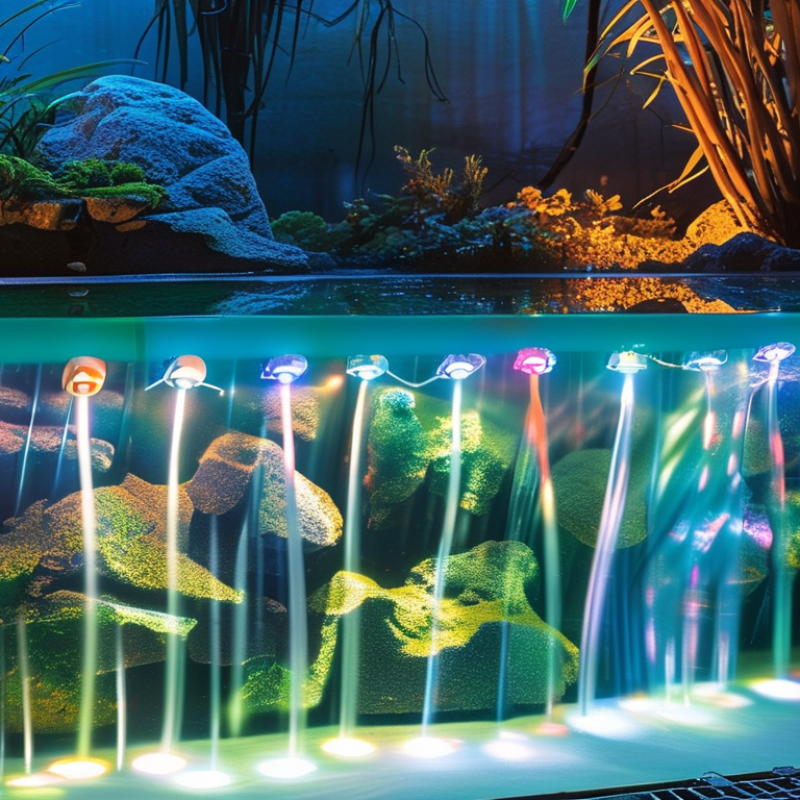
LED underwater lights are sealed lighting units designed for pools, fountains, ponds, and some marine environments. Their basic system uses light-emitting diodes, a driver, housing, lens, and cable. LEDs consume less power than older lamps and produce strong light from a compact body. They also start instantly. No warm-up period.
In practical installations, the housing material matters as much as brightness. Stainless steel, coated metal, or durable polymer can resist moisture and corrosion, but no material is maintenance-free. Look for a suitable ingress protection rating, such as IP68, and confirm the manufacturer’s installation limits. Low-voltage operation can improve safety, but it still requires correct wiring and a qualified installer. Water and electricity are an unforgiving combination.
Key features include lumen output, beam angle, color temperature, dimming control, and heat management. A narrow beam creates a bright visual column, while a wider beam spreads light across a pool wall. Warm white light feels softer; cool white appears sharper. Many LED underwater lights are rated for 30,000 to 50,000 hours, yet heat, chemical exposure, voltage changes, and poor sealing can shorten that figure.
I once assumed a brighter fixture was always better. It was not. Excessive glare made the water uncomfortable to view, and the surrounding area looked uneven. Small details matter.
LED underwater lights serve different environments and lighting tasks. Pool lights use sealed housings for broad, even illumination. Pond lights provide softer beams for plants and shallow edges. Fountain lights use narrow optics to highlight falling water. Dock lights spread light across steps, ladders, and nearby water. Boat lights need compact bodies and strong vibration resistance.
Aquarium lights favor controlled output for clear viewing and aquatic growth. Submersible spotlights create focused beams for statues, walls, or deep features. Underwater strip lights add continuous lines along rails and curves.
Solar floating lights suit decorative ponds, though cloudy weather reduces runtime. RGB color-changing lights offer adjustable scenes through compatible controls.
Their service life often reaches 30,000 to 50,000 operating hours, but this is not guaranteed. Heat, poor seals, saltwater, voltage spikes, and frequent switching shorten it. Field inspections often find cable joints failing before the LEDs. That detail is easy to miss.
Choose corrosion-resistant materials and a suitable ingress rating. Keep connectors above water when the design allows it. Clean mineral deposits gently, and inspect seals each season.
A light can still glow while moisture quietly damages its circuit. I would not judge durability from brightness alone. Installation quality matters more than many product charts suggest.
Underwater LED lights work by sending current through diodes, which create light with little heat. Pool niche lights sit inside sealed housings and spread soft light across walls and steps. Flush-mount lights fit flat against surfaces, making them suitable for shallow pools and spas. Surface-mount lights attach to walls, docks, or fountains and simplify installation. Pond lights use angled beams to highlight rocks, plants, and moving water. They often need adjustable brackets.
Boat and dock lights use compact, sealed bodies to improve visibility near ladders and swim platforms. Submersible spotlights produce narrow beams for fountains, ponds, or architectural features. Aquarium LEDs balance brightness with color needs, supporting careful viewing without excessive heat. RGB underwater lights mix red, green, and blue diodes for changing colors. They suit pools and decorative water displays. Marine-grade lights are designed for saltwater exposure, where corrosion protection matters most.
Typical LED service life ranges from 30,000 to 50,000 hours, but the whole fixture may fail sooner. Water temperature, seal quality, voltage stability, and chemical exposure strongly affect performance. Saltwater is unforgiving. Poor cable joints can cause early failure, even when the diode remains healthy. Regular inspection helps detect cloudy lenses, flickering, or damaged seals. A light rated for long life still needs correct installation and suitable depth. Categories also overlap. A pond spotlight may work in a fountain, but its beam and housing may not suit a swimming pool. The best fit depends on water chemistry, mounting position, desired spread, and access for maintenance.
LED underwater lights often last 30,000 to 50,000 hours under controlled conditions. This figure usually refers to L70 performance, meaning the LED retains about 70% of its original brightness. It does not promise complete operation for that entire period. A pool light used eight hours daily could operate for more than ten years. Real installations may fail earlier.
Heat is a major concern. Water cools the housing, but poor contact between the LED board and metal body traps heat inside. Seals also matter. A small crack can let moisture reach the driver, terminals, or circuit board. Failure may appear slowly. The light flickers, loses brightness, or develops dark spots. Then it stops.
Corrosion causes trouble.
Saltwater and cleaning chemicals can attack metal parts, especially around cable joints. Incorrect voltage can damage the driver within minutes, while loose connections create heat and unstable output. Field inspections often find installation errors, not defective LEDs, behind early failures. Cleaning algae from the lens helps maintain brightness, but it cannot repair damaged seals. Check cable entries, gasket condition, water clarity, and operating voltage during maintenance. Ratings are useful, but they are not promises. Even careful advice can miss local water chemistry or hidden installation damage.
Top 10 Types of LED Underwater Lights: How Long Do They Last?
Choosing long-lasting underwater lights starts with the installation environment. Common types include pool, fountain, pond, aquarium, dock, boat, waterfall, marine, spot, and architectural lights. Each type faces different water pressure, chemicals, and temperature changes. The U.S. Department of Energy explains that LED life is usually measured by L70, not complete failure. Many LED products are rated for roughly 25,000 to 50,000 hours. However, heat and poor power control can shorten that figure sharply.
Look for sealed housings, corrosion-resistant materials, and stable low-voltage drivers. An IP68 rating can support continuous immersion, but IEC 60529 does not define one universal depth for every product. Check the manufacturer’s tested depth and cable specifications. In pools, balanced water chemistry matters. Excess chlorine can damage seals and metal parts over time. In saltwater, inspect connectors more often. Tiny green corrosion marks deserve attention.
Maintenance is simple, but often neglected. Turn the light off before cleaning, then remove algae with a soft cloth. Never scrape the lens with metal tools. Inspect cable entry points every few months. A 50,000-hour label can still disappoint. I have seen well-rated lights fail early because heat had nowhere to escape. That detail is easy to miss. The Illuminating Engineering Society’s LM-80 method measures LED lumen maintenance, but it does not guarantee the whole fixture will survive underwater. Choose tested assemblies, not impressive numbers alone.
Typical LED service-life estimates vary with water chemistry, sealing quality, operating temperature, installation, and maintenance.
Higher-quality underwater fixtures commonly use LEDs rated for approximately 30,000–50,000 hours, while the complete fixture may require earlier replacement because of seals, cables, corrosion, or driver failure. Rinse marine fixtures with fresh water, inspect seals and cable glands regularly, and keep lenses free from mineral or biological buildup to extend service life.
: Common types include pool, pond, fountain, dock, boat, aquarium, spotlight, strip, floating, and color-changing lights. Each serves a different setting.
Pool lights use sealed housings and broad beams for even illumination. Flush-mount models sit flat against walls. Surface-mount models can simplify installation.
Pond lights usually create softer beams for plants, rocks, and shallow edges. Fountain lights often use narrow beams to emphasize falling water. The beam matters.
Some lights use corrosion-resistant materials for marine environments. Saltwater can attack metal parts and cable joints quickly. Check the housing, seals, connectors, and depth rating carefully.
Many LEDs are rated for 30,000 to 50,000 operating hours. This often describes brightness retention, not complete fixture operation. The whole unit may fail earlier.
Common causes include heat, cracked seals, unstable voltage, corrosion, and poor cable joints. Moisture may damage the circuit quietly. Brightness alone proves little.
Inspect seals, cable entries, lenses, and connectors each season. Clean mineral deposits and algae gently. Keep accessible connectors above water when the design permits.
Sometimes, but not reliably. A pond spotlight may fit a fountain yet provide the wrong beam or housing. Check water chemistry, mounting position, depth, and maintenance access.
Inspect the voltage, cable joints, seals, and driver area. Flickering can indicate moisture or a loose connection. Do not assume the LED itself failed.
Solar floating lights suit decorative ponds and gentle water features. Cloudy weather reduces charging and runtime. Their convenience is useful, but performance can be inconsistent.
LED underwater lights are designed to provide clear, energy-efficient illumination in pools, fountains, ponds, boats, and other submerged environments. Common types include surface-mounted, niche-mounted, flush-mounted, submersible, floating, spotlight, floodlight, RGB color-changing, solar-powered, and smart-controlled models. Each type serves a different purpose: spotlights highlight specific features, floodlights cover wider areas, while flush and niche lights offer a clean, integrated appearance. Key features to consider include waterproof construction, corrosion resistance, brightness, beam angle, color options, energy efficiency, and installation method.
How long do LED underwater lights typically last? With quality components and proper use, they commonly operate for approximately 30,000 to 50,000 hours, although real-world lifespan depends on water quality, heat control, sealing, voltage stability, and operating frequency. Moisture intrusion, damaged cables, overheating, mineral buildup, and poor installation are major causes of failure. To extend service life, select the correct light for its environment, use compatible power equipment, inspect seals and wiring regularly, clean the housing, and follow safe maintenance procedures.
