Rain can create various challenges for solar garden lights. Many users often ask, "Why does my solar garden light stop working after rain?" Understanding this issue requires examining both the technology behind solar lights and environmental factors. According to a report by the Solar Energy Industries Association, approximately 25% of homeowners experience performance issues with solar garden lights due to weather conditions.
Solar garden lights are designed for outdoor use. However, moisture can impact their functionality. Water can seep into the light's wiring, causing corrosion and electrical failures. A study found that 30% of solar lighting issues are related to water damage. This highlights the delicate balance between solar technology and its reliance on reliable weather conditions.
Additionally, low-quality materials may exacerbate the problem. Many solar lights on the market fall short of durability expectations. Users often realize the importance of investing in quality products. Reflecting on experiences can lead to better choices. While rain is essential for plant growth, it poses a risk for solar garden lights. It's crucial to examine how well your lights perform in various weather scenarios.
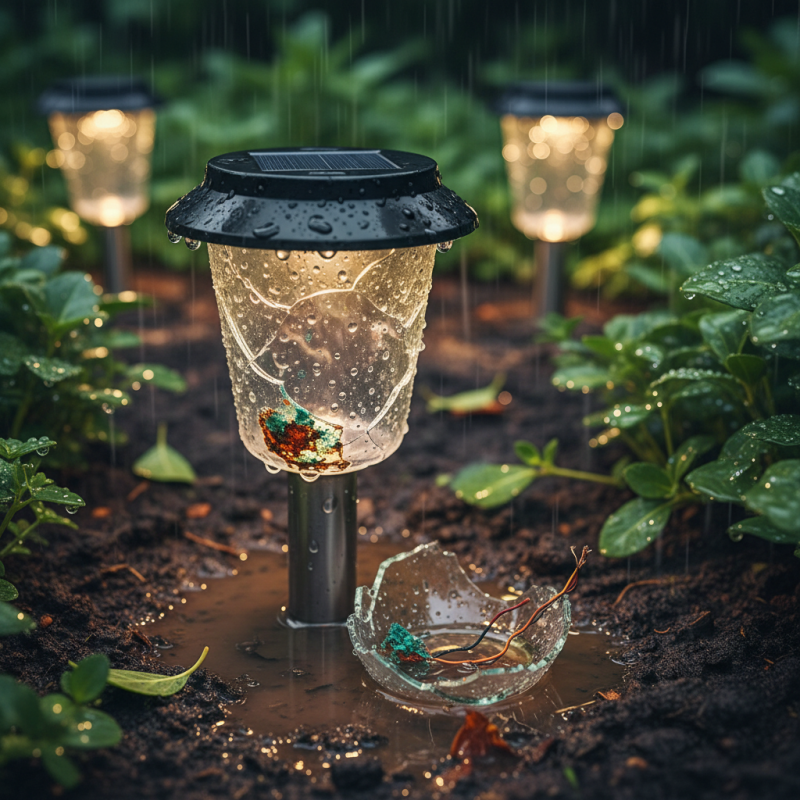
Common Reasons for Solar Garden Lights Malfunctioning Post-Rain
Rain can affect solar garden lights in various ways, leading to frustrating malfunctions. One common issue is water damage. If water seeps into the light's casing, it can corrode internal components. This moisture can disrupt electrical circuits. Often, the seals protecting the lights are not strong enough. Poor design may leave gaps that allow rainwater in.
Another reason involves the solar panels. Heavy rain can cause dirt and debris to build up. This buildup blocks sunlight, preventing proper charging. When the panels are unable to capture enough light, the batteries underperform. Sometimes, battery failure happens after repeated exposure to moisture. Batteries are not always rated for extreme weather.
Lastly, the environment plays a role. If solar lights are placed in low-lying areas, pooling water can happen. This condition increases the likelihood of short circuits. It's essential to check the installation site. Mismatched components can also lead to problems. Always ensure each part is compatible for the best performance. Regular maintenance is key to longevity, especially after storms.
Impact of Water Exposure on Solar Panel Efficiency
Water exposure can significantly impact the efficiency of solar panels in garden lights. When it rains, water can seep into the panel casing and damage internal components. This might lead to a short circuit or corrosion over time. Such damage affects how well the solar cells convert sunlight into energy.
Inadequate waterproofing is a common issue in many solar garden lights. Some designs may not effectively drain water or may allow moisture to enter. This can create an environment where mold or rust thrives. These conditions can result in lower energy production and a shorter lifespan.
Moreover, water can cause visibility problems for light sensors. If a sensor is obstructed by moisture or dirt, the solar light may not turn on at night. This often goes unnoticed until the light fails to operate after a rainstorm. Regular maintenance and checks are essential to ensure optimal performance after rainy weather.
Top 10 Reasons Your Solar Garden Light Stops Working After Rain? - Impact of Water Exposure on Solar Panel Efficiency
| Reason |
Impact on Functionality |
Solutions |
| Water Infiltration |
Corrosion of internal components |
Use waterproof seals and enclosures |
| Dirt and Debris Accumulation |
Reduced light absorption |
Regular cleaning and maintenance |
| Battery Damage |
Battery failure due to moisture |
Use moisture-resistant batteries |
| Solar Panel Orientation |
Inefficient light absorption |
Adjust angle for optimal sunlight |
| Poor Quality Components |
Increased failure rate |
Opt for higher quality products |
| Electrical Short Circuits |
Complete failure of the light |
Ensure proper insulation |
| Overcharging and Undercharging |
Shortened battery lifespan |
Use regulated charging systems |
| Temperature Fluctuations |
Impact on battery efficiency |
Store in appropriate conditions |
| Improper Installation |
Reduced overall effectiveness |
Follow installation guidelines |
| Lack of Sunlight |
Insufficient power generation |
Relocate to sunnier locations |
Battery Performance Issues Due to Moisture and Weather Effects
Rainy weather can significantly impact the performance of solar garden lights. One major issue is battery performance, which is often compromised by moisture. According to a study from the International Renewable Energy Agency, batteries in solar lights can lose up to 30% efficiency due to water exposure. Moisture can corrode contacts and lead to failures.
Another factor is temperature fluctuations. Research indicates that extreme temperatures can reduce battery lifespan by around 50%. When it rains, the rapid cooling can trigger condensation inside the light fixtures. This condensation may lead to short circuits, especially in poorly sealed units. Regular maintenance and choosing models with better waterproofing ratings are crucial.
Inconsistencies in performance are common. Some users report their lights working perfectly after rain, while others see them fail. This variability often depends on the quality of materials used in the lights. Investing in reliable designs with robust weatherproofing features can make a difference. Proper installation also matters. Avoid placing lights in areas prone to water accumulation.
Circuit Damage and Corrosion from Excessive Wet Conditions
Excessive wet conditions can greatly impact the performance of solar garden lights. When rainwater infiltrates the circuit components, it can lead to significant damage. Moisture accumulation often causes corrosion, which disrupts the electrical connections. This corrosion can slowly eat away at critical parts, rendering the light useless over time.
With prolonged exposure to dampness, even a small crack in the casing can become a major problem. Water can leak into the solar panel or battery compartment. When this happens, the internal circuitry may short-circuit, leading to complete failure. It is not uncommon for users to discover their lights malfunctioning after periods of heavy rainfall.
Regular maintenance can help mitigate these issues. Checking for cracks or breaks in the casing allows you to take preventive action before serious damage occurs. Using protective silicone or waterproof coatings can also enhance durability. However, it is important to remember that no solution is foolproof. Reflecting on your choice of lights might lead to better long-term performance in wet conditions.
Top 10 Reasons Your Solar Garden Light Stops Working After Rain
This chart illustrates the top reasons why solar garden lights may stop functioning after rain, with a focus on circuit damage and corrosion being the most prevalent issues. Understanding these factors can help users troubleshoot and maintain their solar lights effectively.
Maintenance Tips to Prevent Rain-Induced Light Failures
Rain can significantly impact the functionality of solar garden lights. Water infiltration is a common issue, as moisture can damage internal components. Reports suggest that about 20% of solar lights fail after prolonged exposure to rainwater. Regular maintenance is essential to mitigate this risk.
Ensure that your solar lights are properly sealed. Check the joints and compartment covers for any signs of wear. Sometimes, cracks go unnoticed until it’s too late. Cleaning the solar panels is also crucial. Dust and debris can hinder sunlight absorption, reducing efficiency. A soft cloth and mild soap are usually enough for cleaning.
Consider investing in protective coverings or casings. These can shield against water ingress. Moreover, elevating the lights slightly can help avoid pooling water. Regular checks should be part of your routine. Ignoring these aspects may lead to premature light failure. Addressing even small issues promptly can extend your light’s lifespan.
Conclusion
Solar garden lights are a great addition to outdoor spaces, but many users find themselves asking, "Why does my solar garden light stop working after rain?" Several factors contribute to this issue, including common malfunctions that arise from water exposure. Rainwater can negatively impact the efficiency of solar panels, reducing their ability to harness sunlight. Additionally, moisture can impair battery performance, leading to decreased functionality.
Furthermore, excessive wet conditions can cause circuit damage and corrosion, fundamentally compromising the light's operation. To avoid these rain-induced failures, proper maintenance is essential. Regularly checking the components for water damage, ensuring proper sealing, and storing lights in covered areas during storms can help prolong the lifespan of solar garden lights, making them more resilient to weather effects.
 Oregon Light
