Oregon Light
Oregon Light
Oregon Light
Explore our primary collection of smart LED lighting, precision-engineered low-voltage spotlight modules, and hardware accessories built to withstand submersed environments.
Established in 2013, Ningbo Oregon Light Co., Ltd. stands at the forefront of engineering, designing, and distributing commercial-grade LED pool lighting, smart automated systems, and high-durability landscape lighting components globally. With our corporate headquarters based in Ningbo, China, we operate state-of-the-art production lines designed to deliver energy-efficient, robustly tested, and environmentally conscious solutions for global distributors, OEM partners, and MEP contracting firms.
Over the past decade, we have consistently scaled our investments in advanced research & development, materials engineering, and submersed electronics sealing technologies. Our products are recognized internationally for their superior ingress protection, electrical safety margins, and structural endurance. They are extensively selected for high-profile residential pool builds, luxury resort complexes, and civic water features across the Americas, Europe, and Asia-Pacific.
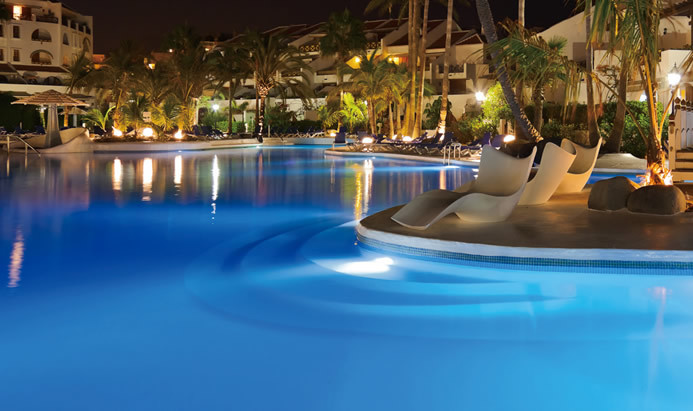
The global commercial and residential aquatic lighting market is undergoing a rapid transition from simple illuminated fixtures to highly integrated Automated Pool Lighting Systems. Industrial B2B buyers, municipal consultants, and landscape architects are moving away from traditional, manually operated halogen and basic LED setups. Instead, they require digital lighting networks integrated with smart buildings, swimming pool automation centers, and structural management systems.
Safety remains the single most critical engineering directive in wet-niche and dry-niche installations. The standard global consensus mandates a migration from traditional high-voltage line connections (e.g., 120V or 240V AC) down to safe low-voltage thresholds: 12V or 24V AC/DC configurations. Lower voltage lines significantly mitigate the risk of current leakage, rendering swimming environments safe under all electrical failure scenarios. High-quality switch-mode transformers with galvanic isolation are now standard, ensuring line-side transients do not couple to the water-facing secondary windings.
Modern commercial installations require remote, multi-zone control protocols. Automation is realized via wired RS-485 DMX512 buses for zero-latency, large-scale fountain matrices, or via wireless mesh layers (such as Bluetooth Mesh, Zigbee, and Wi-Fi networks) in residential applications. Using these dynamic control schemes, automated lighting can synchronize with external parameters—such as ambient light sensors, music, or central pool filtration timers—creating a unified smart home or facility ecosystem.
Historically, multi-color pool lighting relied on simple RGB chipsets, which struggled to output a clean, neutral white light. Modern automated lighting systems incorporate 4-in-1 RGBW (Red, Green, Blue, Warm/Cool White) and RGBA (Red, Green, Blue, Amber) LED arrays. When controlled by sophisticated color-mixing algorithms, these fixtures allow operators to dial in precise color temperatures (ranging from 2700K warm white to 6500K daylight) and generate millions of saturated colors with high Color Rendering Index (CRI > 80) ratings.
For international importers and distributors, sourcing automated pool lighting systems requires navigation through complex localized compliance standards. A failure to comply can lead to product seizures at customs, project delays, or significant civil liability. When evaluating manufacturers, engineering departments prioritize compliance with globally recognized testing bodies.
| Region / Market | Required Certification | Core Testing Standards | Focus Parameters |
|---|---|---|---|
| North America (USA & Canada) | ETL / UL Listed (UL 676) | NEC Article 680 compliance | Low-voltage isolating transformers, grounding, thermal protection in dry niches. |
| European Union | CE / RoHS / ENEC | EN 60598-2-18 (Luminaires for swimming pools) | ELV (Extra Low Voltage) safety, hazardous substances limitation, EM compatibility. |
| Global Markets | IP68 Ingress Protection | IEC 60529 (Submersed testing > 1m depth) | Hydrostatic pressure resistance, silicone hermetic sealing, dust-tight construction. |
| Marine & Coastal | ISO 9227 Salt Spray Test | ASTM B117 (Corrosion testing) | Resistance of SS316 stainless steel to chloride pitting in saltwater pools. |
Understanding the protection requirements for lighting fixtures in swimming pools is paramount to preventing water ingress and electrical hazards. Below is the technical compliance layout that must be strictly maintained across all construction designs, illustrating the mechanical and structural thresholds required for safe, long-term underwater operation.
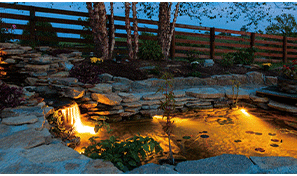
Figure 1.1: Structural sealing parameters and zonal installation requirements for submersed and splash-zone luminaires.
As indicated in standard engineering guidelines, pool lighting fixtures are divided into specific protection categories depending on their location relative to the water level (Zone 0, Zone 1, and Zone 2). Fixtures fully submersed in water (Zone 0) must satisfy the highest ingress protection standards, typically IP68, preventing any moisture transition under continuous hydrostatic pressure. The housing must resist chemical treatment agents such as chlorine, bromine, and salt-water chlorination systems, which generate highly corrosive environments.
Ningbo Oregon Light designs comprehensive lighting environments that align with physical pool geometry, water depth, and reflective qualities. Our system architecture leverages multiple product categories to construct functional, safe, and visually striking installations.
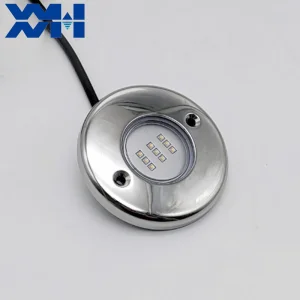
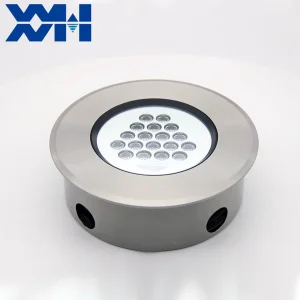
For public pools and resort installations, we supply high-output DMX-controlled recessed fixtures like the DMX RGB RGBW Recessed Pool Light. These lights interface with central controllers to output synchronized dynamic displays while ensuring safety via low-voltage 12V/24V power distribution. Advanced thermal management mechanisms utilize the surrounding water to cool the high-density LED arrays, preventing driver degradation and prolonging system lifespan.
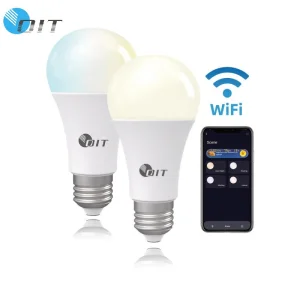
Residential systems emphasize connectivity and user-friendly control interfaces. Our Voice-Controlled WiFi LED Bulbs and smart RGB pool lights integrate with systems like Amazon Alexa, Google Assistant, or Apple HomeKit. Users can adjust scheduling, customize colors, and control lighting remotely via smartphone applications. This seamless ecosystem bridges the gap between pool utility and home automation.
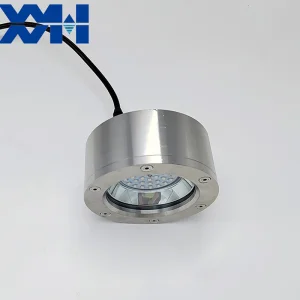
Standard materials degrade rapidly in coastal environments due to salt spray and high moisture levels. Our 316 Stainless Steel LED Wall Light and recessed marine-grade fixtures are engineered specifically for coastal zones. Built with SS316L, these products resist chloride pitting and surface oxidation, maintaining structural integrity and appearance over years of exposure.
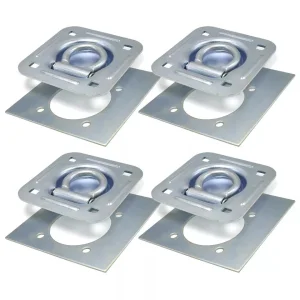
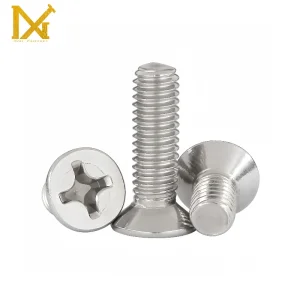
A reliable underwater lighting network relies heavily on its mechanical and electrical installation components. Utilizing non-corrosive fasteners, such as our GB/T 819 Stainless Steel Countersunk Screws, prevents galvanic corrosion between the light housing and the pool structural niche. Similarly, the integration of heavy-duty anchoring points, like the Kingslings Recessed Lashing Tie Down D Ring, ensures that cables, floating fixtures, and perimeter equipment remain anchored and stable, even during high-velocity water circulation or pool maintenance cycles.
Ningbo Oregon Light is dedicated to pioneering technological developments that anticipate the future requirements of global pool design. Our R&D department is actively executing product roadmaps in three key sectors:
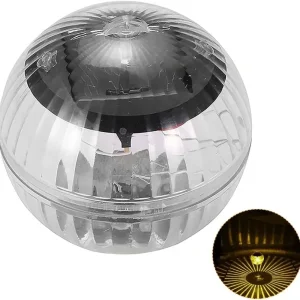
To reduce the infrastructure footprint of commercial installations, we are developing advanced solar-powered autonomous systems. Products like our Solar Floating Pool Light serve as precursors to fully self-sufficient lighting nodes that eliminate the need for complex trenching and sub-surface cabling. Our upcoming projects focus on high-efficiency photovoltaic materials integrated directly into structural lenses, combined with next-generation solid-state batteries capable of handling the high thermal environments of outdoor pools.
Driver failure is the leading cause of early-stage LED failure. By utilizing driverless AC technologies (Direct AC Drive) on the LED substrate, we eliminate electrolytic capacitors—the most heat-sensitive components in a traditional power supply. This engineering shift increases the lifetime of the electrical assembly, aligning it with the 50,000-hour rating of the LED chips themselves.
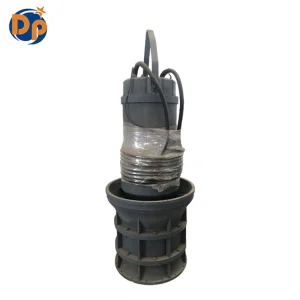
In line with our commitment to sustainable development, our Ningbo factory utilizes green manufacturing processes. We prioritize the sourcing of recyclable metals, minimize waste in our metal casting shops, and restrict the use of harmful chemical compounds. This ensures that every component—from the heavy-duty submersible pumps (e.g., our Electric Submersible Water Supply Pond Pump) to the smallest underwater spotlight—is manufactured with a minimized carbon footprint.
Find professional answers to common technical, installation, and procurement questions regarding automated pool lighting.
Yes. Our premium fixtures, including the ETL Swimming Pool Light RGBW, are specifically designed to match and synchronize with major third-party systems such as Pentair Globrite. The internal light engines are programmed with compatible communication protocols, enabling them to change colors, dim, and switch scenes in synchronization with existing controllers via standard power toggle methods or DMX links.
Grade 316 stainless steel contains molybdenum, which increases its resistance to chloride-induced pitting corrosion. This makes it ideal for salt-water chlorination pools and coastal locations. Grade 304 stainless steel is more susceptible to rust and surface oxidation under high chloride concentrations, leading to mechanical failure and staining of the pool walls.
Voltage drop occurs when electrical current flows through a wire's resistance over long distances, which can reduce light output at the fixture. To prevent this, we use thicker gauge pure copper conductors inside our molded assemblies and recommend installing step-up taps on the low-voltage transformer (e.g., matching input voltage slightly higher, such as 13V or 14V AC) to ensure the fixture receives a stable 12V supply.
Importers must ensure that all submersed lighting equipment is certified to UL 676 and CSA C22.2 No. 89 standards. Testing and labeling by an Nationally Recognized Testing Laboratory (NRTL) like Intertek (ETL) or UL is necessary to verify compliance with National Electrical Code (NEC) Article 680 safety requirements.
Select from our highly specialized automated systems, IP68 submersed floodlights, marine-grade path lighting, and support components.