Oregon Light
Oregon Light
Oregon Light
Explore our primary array of integrated LED solutions, underwater pool fittings, smart energy controls, and landscape structural fasteners designed to meet international engineering standards.
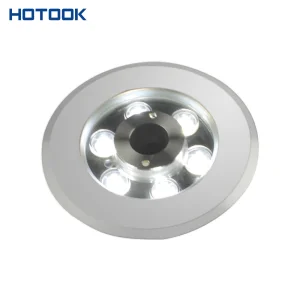
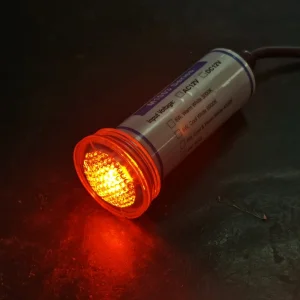
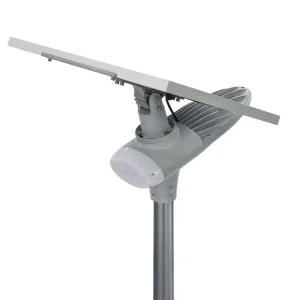
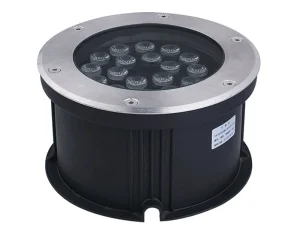
Understanding how modern photovoltaic integration, material durability, and architectural aesthetics are reshaping utility-grade outdoor illumination.
For decades, outdoor landscape lighting faced a critical trade-off: aesthetic integration versus electrical reliability. Standard spotlights, while powerful, demanded expensive trenching, conduit laying, and high-voltage wiring that disrupted mature landscape architectures and ecological areas. Early solar alternatives, on the other hand, lacked the brightness, battery capacity, and physical durability required for commercial and municipal applications.
Today, the global landscape lighting market is witnessing an unprecedented transition. Solar rock spotlights have graduated from simple residential decorations to highly engineered assets for luxury hospitality, eco-resorts, municipal green zones, and corporate campuses. By mimicking natural stone textures, these luminaires provide ambient and accent lighting without altering the visual topography of the space, all while running on 100% renewable off-grid energy.
Modern landscape architecture prioritizes biophilic design—the integration of natural elements into built environments. Traditional metal or plastic spotlight fixtures can break the organic flow of rock gardens, pathways, and water features. Real-stone and high-fidelity polymer simulation rocks allow fixtures to remain completely concealed during the day, maintaining the scenic integrity of gardens, botanical walks, and historical conservation sites.
From an engineering perspective, this requires specialized material science. The synthetic rock housing must not only look organic but must also resist UV radiation, extreme temperature fluctuations, and moisture penetration. It must act as a thermally stable protective shell for the internal LED array, driver, battery pack, and photovoltaic panel.
Established in 2013, Ningbo Oregon Light Co., Ltd. has grown to become a premium manufacturer and global exporter of high-end LED outdoor luminaires, underwater lighting systems, and solar-integrated fixtures. Over the past decade, the company has dedicated its resources to research, development, and state-of-the-art manufacturing, earning a sterling reputation across Europe, the Americas, and Southeast Asia.
Our commitment to innovation is driven by a deep understanding of international safety and environmental regulations. Our production facilities maintain rigorous quality control checkpoints, monitoring components from initial raw material reception to structural stress tests under extreme environments. Oregon Light's product portfolio is renowned for high efficiency, robust waterproofing (featuring IP68 designs for pool and fountain applications), structural longevity, and eco-friendly manufacturing methods.
In November 2023, Ningbo Oregon Light exhibited at the prestigious PISCINA & WELLNESS Barcelona show in Spain, demonstrating our newest generation of smart-controlled pool lights, low-voltage outdoor garden fixtures, and sustainable solar concepts to leading designers and global buyers.
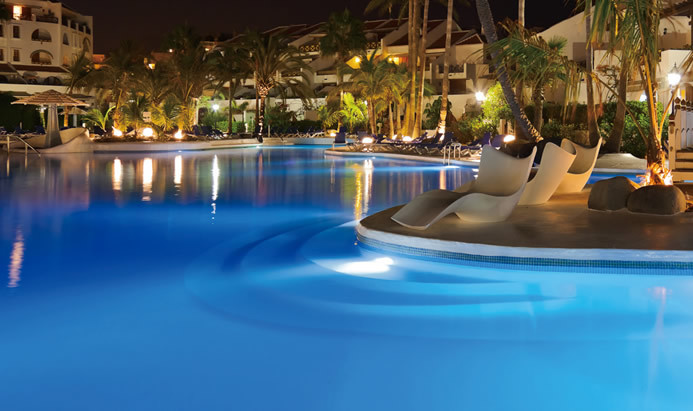
Ningbo Oregon Light showcasing advanced waterproof pool and outdoor luminaires at the Barcelona Expo.
Analyzing market drivers, environmental regulations, and the rapid growth of sustainable landscape infrastructure.
With governments worldwide targeting Net-Zero emissions, commercial developers are mandated to reduce the operational carbon footprint of real estate. Off-grid solar rock spotlights contribute directly to LEED and BREEAM certifications.
Trenching, wiring, and installing low-voltage transformers in rocky or mature landscape zones can cost up to 5 times the price of the fixtures themselves. Solar rock lights remove cable infrastructure entirely, yielding huge savings.
In delicate ecosystems like wetlands, natural reserves, and national parks, soil excavation is strictly prohibited. Standalone solar spotlights present zero ecological threat, preventing soil erosion and water table disturbance.
Across North America, Europe, and the Middle East, the hospitality industry is driving the demand for high-end solar rock spotlights. Luxury desert resorts in the UAE, mountain chalets in Switzerland, and tropical retreats in Bali rely on invisible lighting sources to create magical nightscapes. By deploying high-capacity solar rock spotlights, these venues achieve premium illumination while showcasing their commitment to environmental sustainability.
Why Ningbo-based production facilities lead the world in cost control, material sourcing, and cutting-edge optical technologies.
China is responsible for over 85% of the world's solar landscape lighting production. This concentration is not merely about labor scale; it is driven by unparalleled supply chain integration. The Ningbo industrial cluster provides direct, immediate access to world-class monocrystalline solar panel manufacturers, advanced lithium battery developers, precision die-casting companies, and high-performance LED chipset producers (such as Cree, Osram, and Epistar).
At Ningbo Oregon Light Co., Ltd., we utilize automated SMT (Surface Mount Technology) assembly lines to ensure perfect soldering of LED chips and driver boards. By utilizing advanced plastic injection molding and custom resin-casting techniques, we produce simulated rocks that are visually indistinguishable from natural sandstone, granite, or basalt, while maintaining precise internal dimensions for water-tight component placement.
Furthermore, our regional logistics infrastructure—situated adjacent to the Ningbo-Zhoushan Port, the world's busiest port by cargo tonnage—allows for rapid shipping and optimized freight costs. This geographic advantage translates to shorter lead times, highly competitive FOB/CIF rates, and robust shipping security for our international distributors.
How to deploy solar rock spotlights across diverse geographical climates and architectural setups.
Sub-zero temperatures drastically reduce battery efficiency. Our solar rock spotlights utilize specialized LiFePO4 batteries equipped with internal heaters or intelligent power management systems (BMS) that automatically reduce light output during prolonged dark, freezing spells to preserve cell health.
Saline mist is highly corrosive to metals and polymers. Our coastal installations leverage synthetic resin covers and marine-grade stainless steel hardware (316L) to prevent structural degradation, ensuring long-term aesthetic integration and optical clarity.
Vandalism and physical impact are key concerns. Our rock housings are formulated with fiber-reinforced polymer composites that withstand impact forces (IK08-IK10 rating) and are weighted to prevent unauthorized removal or displacement by heavy winds or public interaction.
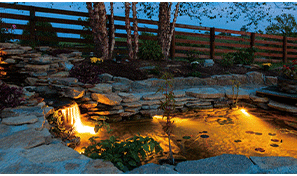
Understanding waterproof protection classes and installation layouts for landscape and wet environments.
Outdoor lighting installations demand strict adherence to zoning safety guidelines. As detailed in our engineering diagrams, fixtures located close to swimming pools, fountains, or damp landscape sections must strictly conform to low-voltage configurations (typically 12V or 24V DC) or be entirely self-contained (like solar-powered systems) to eliminate the risk of electrical shock.
By implementing solar rock spotlights in wet landscape zones, designers eliminate the risk of grounding faults and complex conduit seals. Oregon Light designs these standalone systems to be completely isolated, meeting the international safety parameters of Class III electrical appliances.
The technological roadmap of autonomous outdoor illumination systems.
The next generation of solar rock spotlights is evolving towards smart connectivity and enhanced energy capture. At Ningbo Oregon Light, our R&D roadmap focuses on three core pillars:
By incorporating low-power wireless modules, solar rock spotlights are transitioning from isolated lighting units to mesh nodes in smart city setups, monitoring ambient temperatures, detecting foot traffic, and assisting security systems in greenways and municipal parks without requiring additional power infrastructure.
Key technical parameters global sourcing managers must evaluate before signing wholesale procurement contracts.
Sourcing high-quality solar rock spotlights from China requires a robust technical checklist to ensure the products survive long-term field deployment. Global sourcing managers should audit potential manufacturing partners based on the following key metrics:
Look for high-lumen output per watt (lm/W). Premium LEDs should achieve at least 120 lm/W to maximize the usage of the stored battery power. Insist on LM-80 test reports for LED chipsets.
Avoid suppliers using recycled lead-acid or low-grade lithium batteries. Demand brand-new LiFePO4 cells with a minimum of 2,000 charge-discharge cycles at 80% Depth of Discharge (DoD).
Verify that the simulated rock resin contains anti-UV additives. Without these additives, the polymer housing will become brittle, discolor, and crack under direct sunlight within 12 to 18 months.
Answers to common engineering, installation, and procurement questions from landscape architects and sourcing professionals.
High-quality solar rock spotlights are designed with "autonomy days." By sizing the battery capacity to be 3 to 5 times larger than the single-night power consumption and utilizing smart controllers, the fixtures can function at a reduced brightness (dimming mode) for up to 5 days without receiving direct sunlight.
When utilizing premium LiFePO4 (Lithium Iron Phosphate) cells, the battery lifespan ranges from 5 to 8 years (2,500+ complete cycles). Yes, reputable manufacturers design these rock lights with an accessible, sealed bottom battery chamber, allowing technicians to replace the battery pack without discarding the main fixture.
Moisture condensation occurs when air temperature inside the fixture changes rapidly. Professional manufacturers integrate waterproof, breathable membranes (such as Gore vents) that equalize air pressure and let moisture escape while preventing liquid water molecules from entering the housing (maintaining the IP66/IP67 rating).
Yes, advanced configurations can be customized with 2.4GHz wireless transceivers that respond to remote DMX commands. This enables the solar rock spotlights to participate in scheduled color-changing light shows without the need for physical data lines.
Our polymer-resin composites are engineered to withstand high compression loads. While they can endure minor bumps and weed-trimmer impacts, they should be placed just outside the direct path of heavy commercial lawnmowers to protect the solar panels from flying stone impacts.
Discover more specialized lighting equipment, high-output floodlights, filtration units, and pool accessories manufactured by Ningbo Oregon Light Co., Ltd.