Oregon Light
Oregon Light
Oregon Light
Engineered with Marine-Grade 316 Stainless Steel and Certified with IP68 Submersion Performance Ratings.
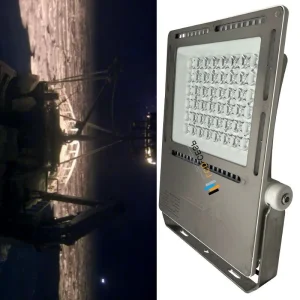
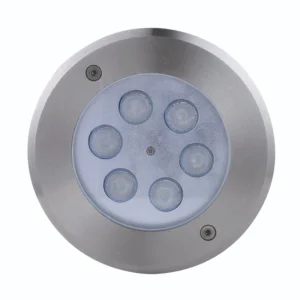
An in-depth analysis of environmental challenges, structural design requirements, and engineering solutions for harsh sub-aquatic environments.
Although traditionally classified as landlocked, the Republic of Rwanda features extensive water systems that act as crucial drivers for economic development. Key aquatic assets include Lake Kivu—one of the African Great Lakes—along with multiple hydro-electric reservoirs (e.g., Nyabarongo and Rusumo Falls) and regional port logistics nodes. Developing these sectors requires robust, marine-grade components capable of withstanding local environmental factors.
Lake Kivu possesses unique geochemical properties, featuring deep-water reservoirs with high concentrations of dissolved methane (CH4) and carbon dioxide (CO2). Extraction operations, such as the Kivu55 and Shema Power Lake Kivu projects, deploy specialized offshore barges and extraction platforms. The combination of high atmospheric humidity, sulfurous gasses, and moisture containing chemical residues accelerates corrosion in standard industrial lighting fixtures, demanding IP68 ingress protection and marine-grade alloys.
Additionally, Rwanda's aggressive infrastructure push under the National Strategy for Transformation (NST1) includes modernized inland port facilities, wastewater treatment installations, and localized manufacturing zones like the Kigali Special Economic Zone (KSEZ). Standard outdoor fixtures fail prematurely in these settings due to high ambient moisture and severe tropical storms. Deploying heavy-duty, corrosion-resistant lighting is critical to minimizing maintenance down-time and operational costs.
Selecting appropriate metals is fundamental to lighting durability in humid or chemical-laden environments. While typical aluminum alloys (such as ADC12) oxidize under acidic humidity or alkaline soil conditions, AISI 316 (Marine-Grade) Stainless Steel provides superior resistance.
The difference lies in material chemistry:
Thermal shock and chemical attack are the primary failure mechanisms of industrial lights in equatorial regions. Our IP68 fixtures utilize custom-designed, multi-path thermal management channels and high-purity marine stainless steel housings, guaranteeing structural integrity (IK10 impact rating) and stable lumen output even when subjected to ambient temperatures exceeding 40°C in high-humidity zones.
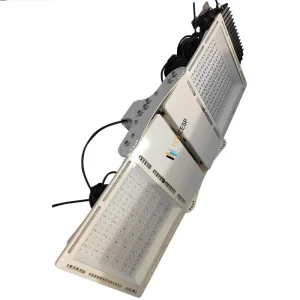
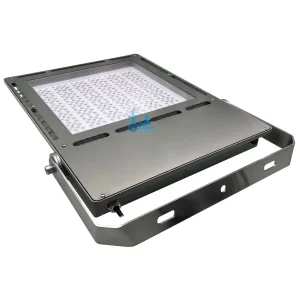
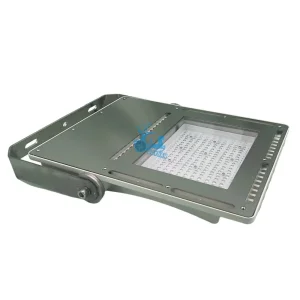
Precision-engineered optical lenses and heavy-duty mechanical housings designed for long-range illumination and heavy industrial workloads.
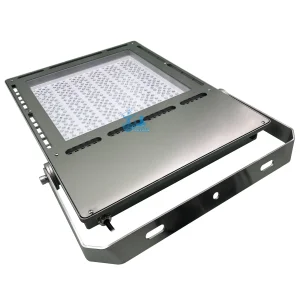
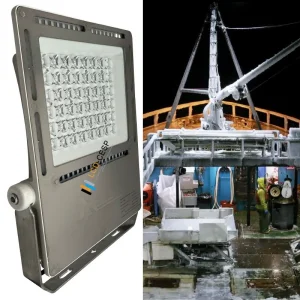
Procuring customized municipal and heavy-duty lighting systems requires a balance of high technical performance and cost-efficiency. Our manufacturing base in Ningbo, China—a hub for advanced industrial fabrication and optoelectronic engineering—allows us to deliver premium lighting products directly to the East African market.
By integrating product design, mold-casting, high-precision CNC machining, and automated IP68 environmental testing within a single facility, we eliminate supply chain markups. We utilize automated powder coating lines, automated silicone dispenser machinery, and standardized aging tests to guarantee 100% product compliance before shipping.
For East African procurement officers and contractors, this means:
Global engineering firms are shifting from short-term transactional purchasing to strategic, long-term procurement models that prioritize lifetime value and durability. In wet, industrial, or chemically active areas, cheap lighting solutions lead to high maintenance costs, safety hazards, and frequent replacements.
Modern procurement specifications frequently mandate:
Whether executing projects in East Africa, Southeast Asia, or standard marine ports in Europe, our 316 Stainless Steel IP68 product line meets these global demands, ensuring stable operation under challenging site conditions.
High-performance, explosion-proof, and corrosion-resistant lighting for offshore methane extraction platforms and commercial transport vessels navigating Lake Kivu.
Robust IP68 illumination for generator bays, water intake gates, and wet subterranean turbine galleries in Rwanda's major river valleys.
Low-voltage, high-aesthetic 316 stainless steel deck and ground lights for luxury lodges and lakefront boardwalks in Rubavu and Karongi.
Established in 2013, Ningbo Oregon Light Co., Ltd. specializes in the research, development, manufacturing, and global distribution of LED pool lighting and high-performance outdoor lighting solutions. Since our founding, we have committed to delivering energy-efficient, robust, and reliable lighting products designed for challenging operating environments. With a strong focus on technical innovation and consistent quality control, we serve industrial, municipal, and maritime clients worldwide.
Over the years, we have continuously expanded our research and development resources and integrated advanced production technologies. This commitment has enabled us to design a diverse portfolio of underwater pool lights and heavy-duty outdoor fixtures that meet the requirements of modern engineering projects. Our products are widely recognized for their ingress protection, electrical safety ratings, long operational lifespans, and eco-friendly materials, making them suitable for residential pools, commercial resorts, municipal infrastructure, and marine environments.
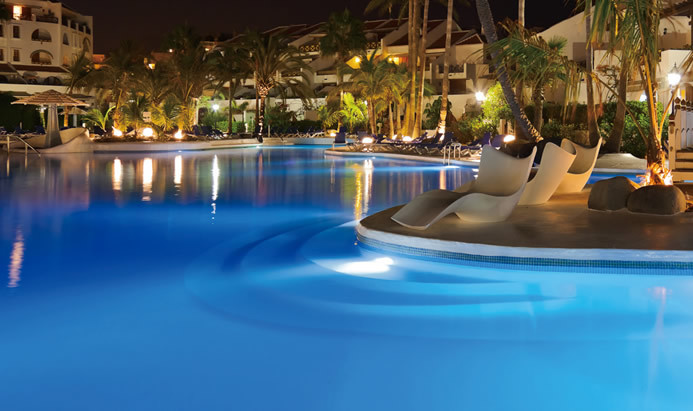
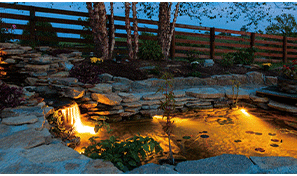
Expert answers addressing the technical aspects, material properties, and operational parameters of marine-grade lighting installations.
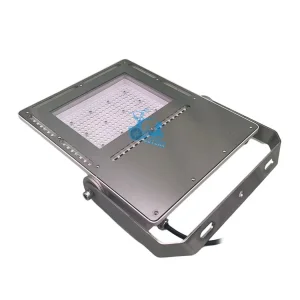
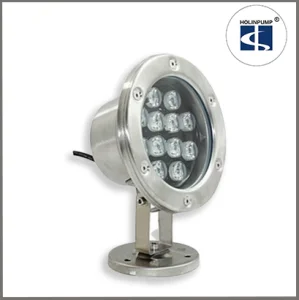
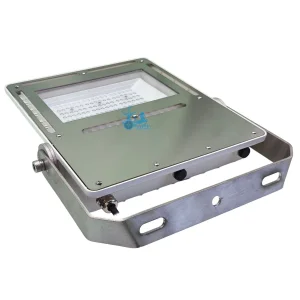
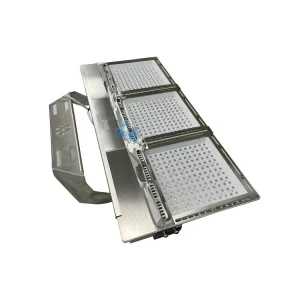
Explore our specialized range of high-salinity and submersion-rated heavy-duty LED lighting systems.
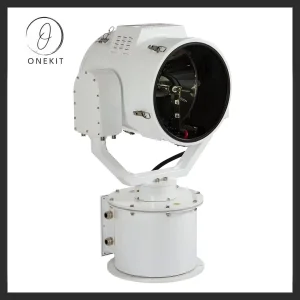
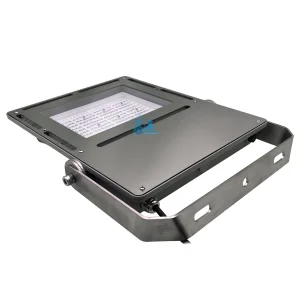
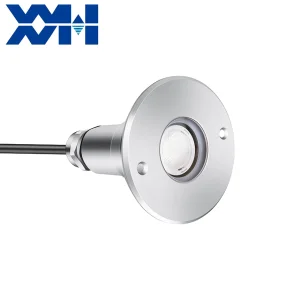
Contact our technical team to request physical product specifications, certified photometric (IES) data files, and custom bulk wholesale quotes tailored for Rwanda and regional East African markets.
Send Inquiry Now